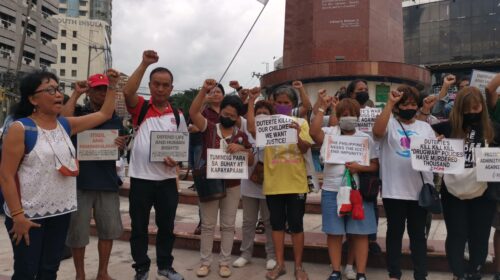
Faith groups stand with detained protesters
"What we are fighting for is engagement and trade grounded in equality, respect for sovereignty, and mutual benefit."

"What we are fighting for is engagement and trade grounded in equality, respect for sovereignty, and mutual benefit."
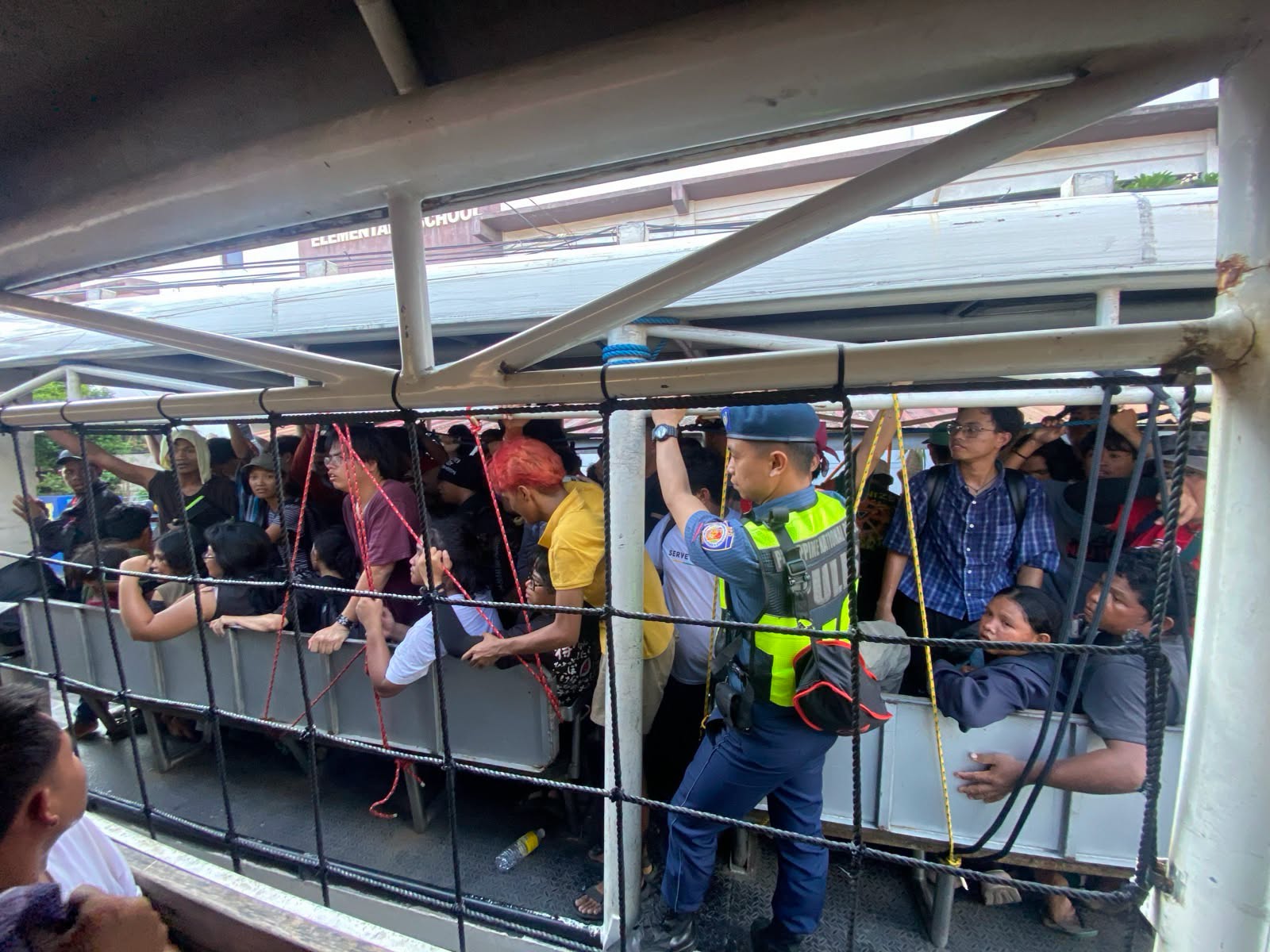
“We call on the courts to attend to the more pressing resolution of the cases of at least 778 political prisoners like former Sen. De Lima and our colleague Alexander Philip Abinguna, who has been detained for more than four years on trumped-up charges, instead of harassment suits by the government and its minions against activists and ordinary citizens."
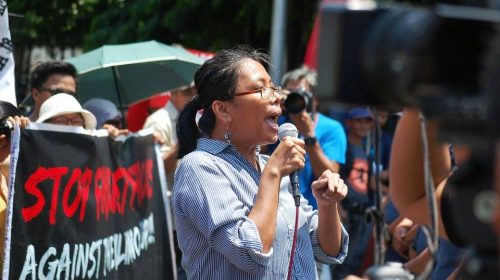
Ferdinand Marcos Jr. was silent on press freedom issues during his second State of the Nation Address. The situation on the ground is no better.

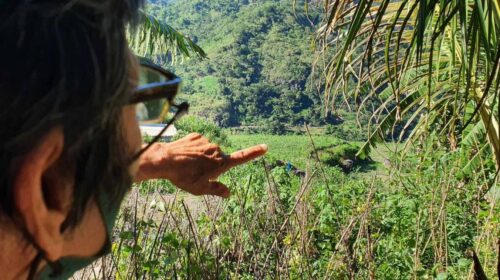
In his second State of the Nation Address, Ferdinand Marcos Jr. was silent on human rights issues during his administration. Meanwhile, indigenous peoples of Gawaan, Balbalan, Kalinga stressed that their community was bombed twice in March 2023.
The burning of effigies dates back to the dictator Ferdinand Marcos Sr.’s rule. Burning effigies has become a regular staple during major protests in the Philippines.
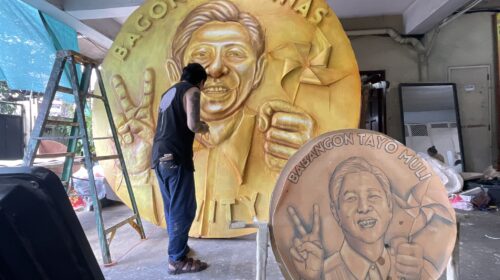
President Marcos Jr. pledged to uphold press freedom. The National Union of Journalists of the Philippines, however, recorded 84 incidents of attacks on the media from June 30, 2022 until July 22, 2023. This number is 42 percent higher compared to the documented cases during Duterte’s first 13 months in office.
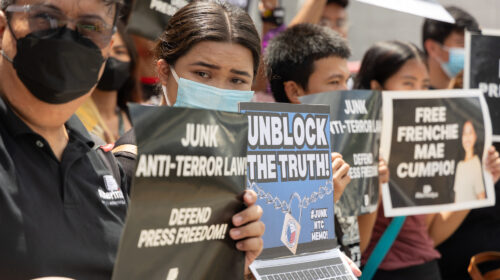
This afternoon, Marcos Jr. delivered his second State of the Nation Address, which, according to progressives, avoided all the contentious issues facing the current administration.
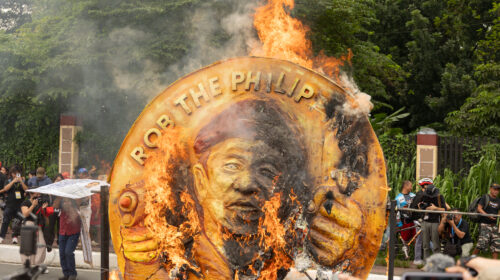
We must therefore never forget that contradiction in fighting back for freedom of expression today. Freedom of expression is not a privilege of those in power, but a weapon of the oppressed to safeguard against the abuse of power—whether economic, political, and social.
Growing up in the land, hearing stories of animals, trees, spirit beings, and people from my grandmother have been a huge part of my childhood. Though they may be somewhat far from my reality at that time, they for sure spoke of a reality at a certain period that has been passed down through generations. I could still remember my grandmother’s silky, long, silver hair that smelled like coconut oil, her sagging skin that provided me such comfort, and her voice that is filled with wisdom accumulated through the years.

Sometimes, people just throw up their hands and shake their heads dejectedly: “But what can you do?” But often there’s really no alternative but to fight back, to push back. It happened again, twice, this week.
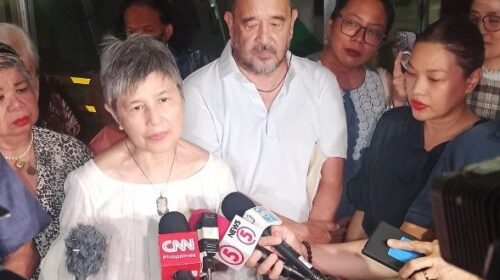
A decade after the enactment of the Anti-Enforced Disappearance Act of 2012, relatives of victims of enforced disappearances continue to decry lack of accountability.

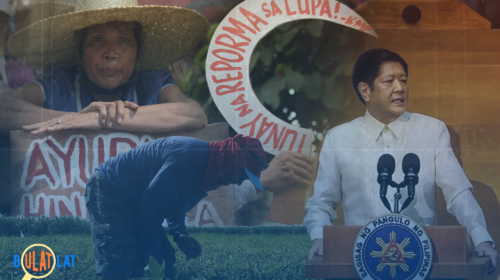
Agricultural workers and farmers remain in endless wait as agrarian reform takes a backseat under the Marcos Jr. administration.
“This zine offers lessons and hopes. It fortifies the morale of activists targeted in their region, gives inspiration to the hopeless, and reflects the unformidable love for their colleagues— disappeared and were victimized by the state."

Cristina Palabay denounced former National Security Adviser Hermogenes Esperon Jr.’s reopening of the perjury case saying this is “but one in a series of renewed attacks against the human rights defenders of Karapatan.”
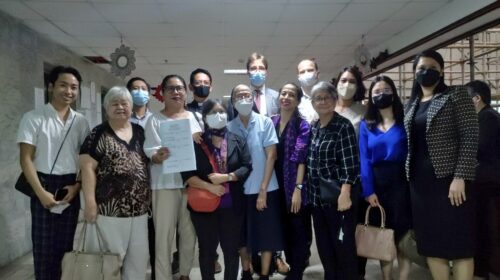
Carol Pagaduan Araullo said that she is filing the complaints “in behalf of those who do not have the means, the opportunity and support system to do so but who are experiencing red-tagging/terrorist labelling and the harassment, if not actual terror, this brings.”
“Our work in the communities continues. We will seek (for) more families to speak about their case."