Generational struggle for agrarian reform
Miriam has worn many uniforms: factory worker, admin officer, pastoral worker, local official, peasant organizer.
ADVERTISEMENT
Miriam has worn many uniforms: factory worker, admin officer, pastoral worker, local official, peasant organizer.
KMP called for public transparency and grassroots participation in FMR planning and implementation.
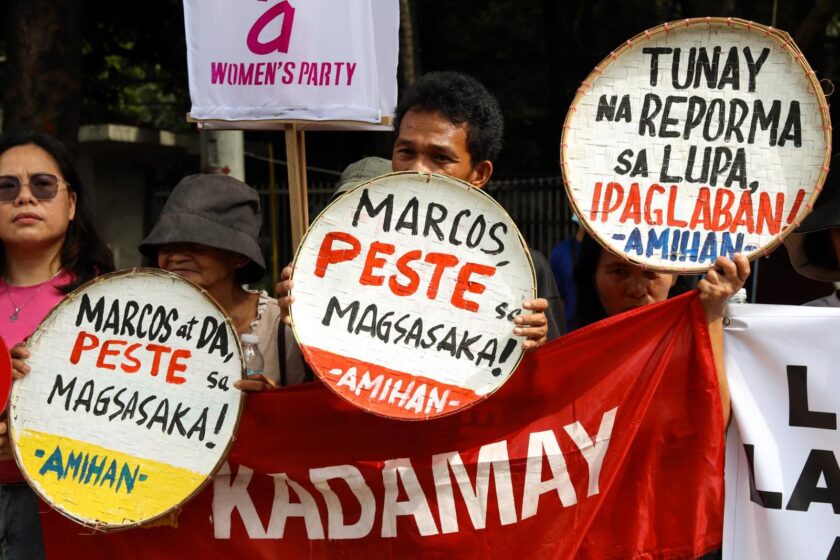
Drawing from their past and persistent appeals and efforts, Ramos defined the EO 101 “as a public relations measure pretending to respond to the plea of farmers.”
For the National Peasants Month, Bulatlat highlights the stories of the peasant farmers, the peasant group and their leaders who, despite the difficulties they face, remain steadfast in their struggle for genuine agrarian reform.
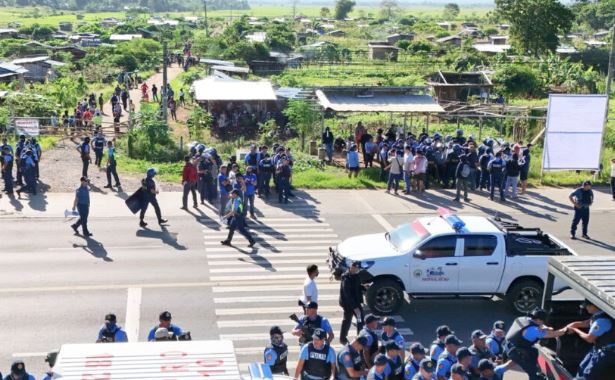
A family-owned hacienda in Sara, Iloilo has left generations of farmers without their own fields to till since the 1990s, despite government’s promises of distributing Certificate of Land Ownership Awards (CLOAs).
Even before it could fully take root, the KMP was met by challenges.
Being in the frontline for 40 years, Ka Lucia learned about the struggles of farmers and how important it is to be alongside them.
The exhibit sheds light on pressing questions and the realities behind them–how the hard work of peasants is exploited by landlords and corporations, and how the worsening effects of typhoons and floods continue to devastate rural communities while funds meant for relief and disaster prevention are pocketed by corrupt officials.
The youth from their community aged 12 to 17 joined the protest, inspired by their parents and relatives pushing for genuine agrarian reform.
The taxpayers’ money is being used to fund the ‘fake’ flood-control projects and other billions of ‘unprogrammed funds’ that serve as the pork barrel of the president. Instead of genuine land reform, they resort to graft and corruption."
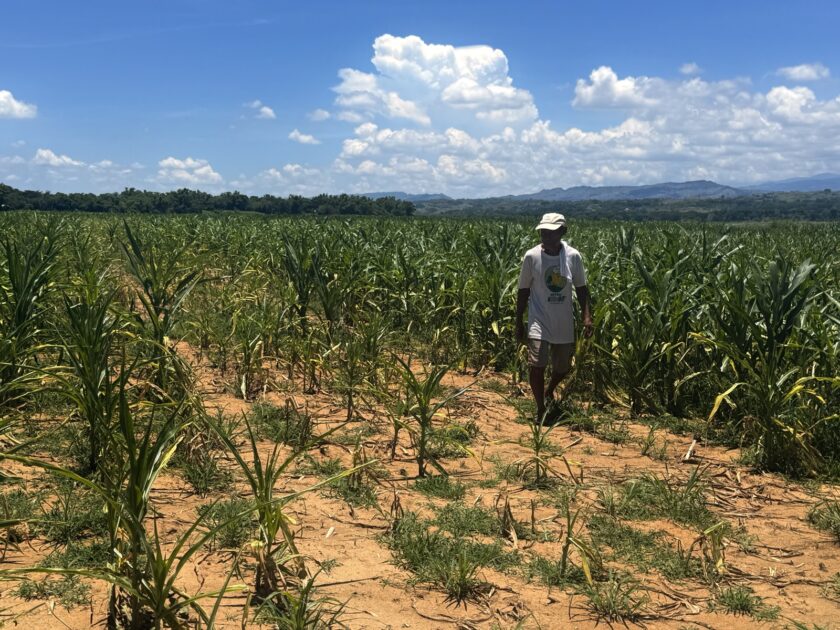
Recently, the Lupang Ramos farmers grieved the impact of the successive storms which destroyed their planted corn and string beans.
Farmers are hungry because there’s no compensation when they’re hit by calamities.
The current price of tobacco varies significantly by type and grade, ranging from P39 ($0.67) to P97 ($1.66) per kilo, as of October 2025.
“Only if the missing P197 billion ($3.3 billion) flood control project funds every year were realigned for funding the local farmers, 6.27 million metric ton of palay can be produced and 84,022 small-scale and 42,011 large-scale driers for post-harvest can be distributed,”
The Philippines is among the top rice producers globally but remains one of the world’s largest rice importers, with over 2.4 million farmers depending on the crop for livelihood.
"We spend so much on fertilizer and pesticides, plus other expenses during planting and harvesting."
Women farmers in Laguna, reeling from floods that destroyed their rice fields and left them with losses of up to P20,000 ($340) per hectare, are demanding calamity compensation and higher palay prices, as their crops are not covered by insurance and government rice policies continue to draw criticism.
“The 60-day rice import ban is just for show. While the public is being made to believe that something is being done for the farmers, the Rice Liberalization Law, one of the root causes of the decline in farmers’ income and the rising price of rice, remains in effect. It must be immediately repealed."
Based on monitoring by the Kilusang Magbubukid ng Pilipinas (KMP), the Department of Agrarian Reform (DAR) has reached only 14 percent of its target beneficiaries for distribution of Certificate of Condonation with Release of Mortgage (COCROM), covering six percent of total registered farmers.
"The Marcos Jr. administration is clinging to a failed and anti-farmer policy of rice importation. It is time to repeal the Rice Liberalization Law, break up the rice trading monopoly, and implement a genuine program for food self-sufficiency."
A community of readers and supporters that help us sustain our operations through microdonations for as low as $1.