‘Increase in imports will seal death of dying hog industry’
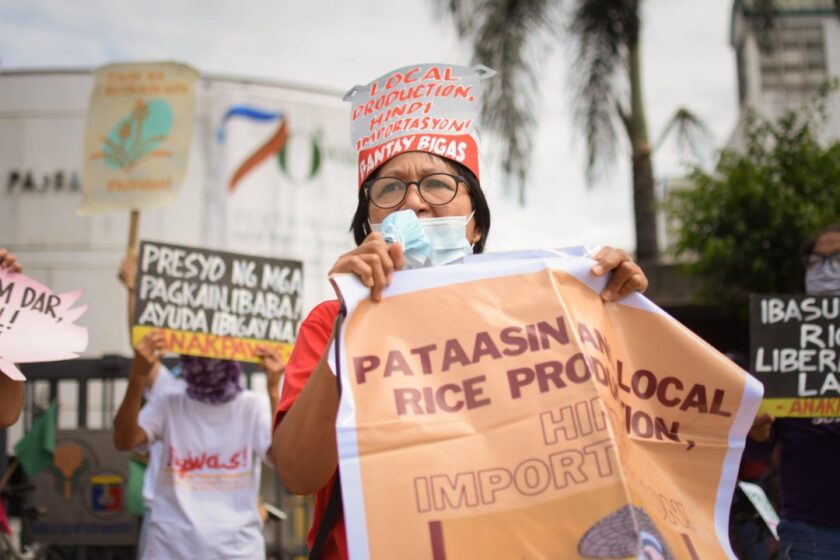
The planned increase in pork imports to supposedly address the crisis brought by the African swine fever will bring death to the already dying industry, a farmers’ group said.
ADVERTISEMENT
The planned increase in pork imports to supposedly address the crisis brought by the African swine fever will bring death to the already dying industry, a farmers’ group said.
It can be guesstimated that the total additional profits generated by the oil firms from overpricing gasoline and diesel is about P142.50 million a day. Of this amount, P17.10 million went to government in the form of the 12 percent value-added tax (VAT).
Aside from the fact that the biggest chunk was not used specifically for the COVID-19 response, it is the taxpayers who will suffer the most in paying off these debts.
“Such huge debts but we never got even five kilos of rice. And we will be the ones to pay those debts through our taxes. My grand-grand children might end up paying for those.”
“We are in a very crucial time, and our pork producers are in such vulnerable state, if the DA and the Duterte regime rely too much on importation now to unreliably lower prices, millions of small hog raisers are bound to go bankrupt and close permanently. Only increased local production can sustainably lower pork prices."
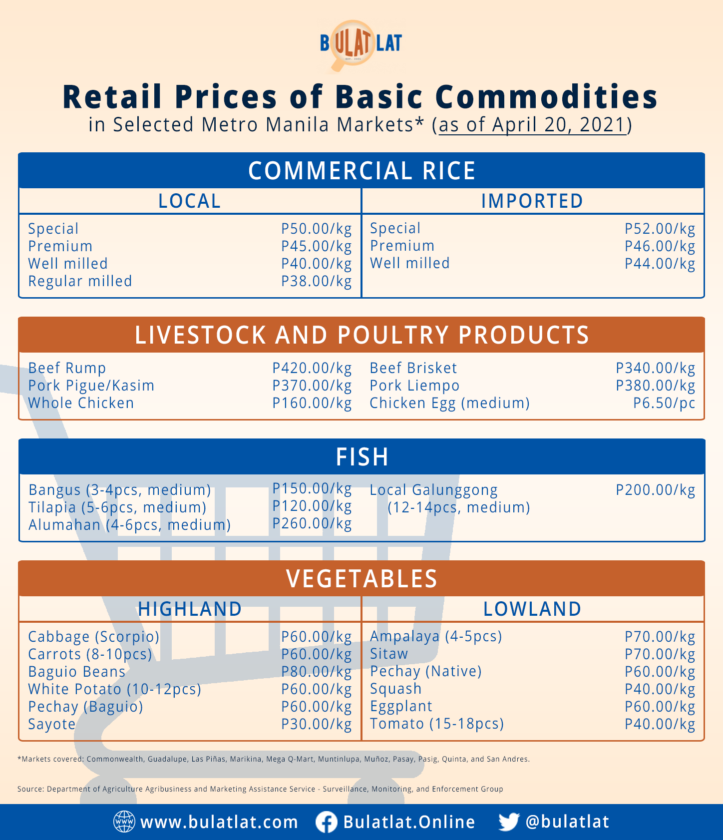
Under EO No. 124, the price ceiling for a kilogram of pork liempo is at P300, a kilogram of pork kasim at P270, and a kilogram of dressed chicken at P160.
Carinderia vendors and consumers considerably lean on each other to combat the threat of food insecurity, but several vendors also stressed that they can’t hold on long enough and hope to receive subsidies from the government.
“I’m a pork vendor, but my viand is just leftover pork ribs. I can’t even afford to buy what I sell.”
"If we don't spend enough, ordinary citizens would continue to suffer...If we don't reverse the business closures, how could we generate jobs? The government would then have to provide aid, which is obviously not sustainable." -- Marikina 2nd District Rep. Stella Quimbo
"12% VAT on digital service providers such as Netflix and Lazada. Why not collect taxes from POGO?"
“The Duterte administration’s plans for economic recovery revolve around continuing infrastructure projects as the main source of economic stimulus, which actually stalled economic recovery.”
As COVID-19 wipes out whatever is left of the limited opportunities for Filipinos to earn a living, the Duterte administration’s lacking response, combined with an oppressive political environment, creates conditions for a perfect storm of social unrest.
Oil firms-imposed price adjustments are higher than what should be – by P 2.41 per liter for diesel and P4.76 per liter for gasoline, based on a DOE-recognized formula. The Big Three, a Duterte backer and other oil firms, rake in tens of millions of pesos daily from profiteering.
“Regional inequalities in the country can be reduced by providing economic dynamism in rural areas, which have lagged behind the urban areas and growth centers in the previous decades, leading to serious regional disparities.”
Amihan said that areas hit by Ambo were the same areas where social amelioration programs of the government have been slow. These are Eastern Visayas, Bicol and Southern Tagalog, where many poor peasant families rely on farming and agriculture for a living.
“During an intense crisis, the economic policies that should be implemented are those that are pro-people.”
"The Duterte government should ensure affordable and accessible food supply especially to the poor and marginalized to guarantee the Filipinos’ survival against COVID-19 and hunger.”
A community of readers and supporters that help us sustain our operations through microdonations for as low as $1.