
The mountains are not simply places where minerals can be extracted.
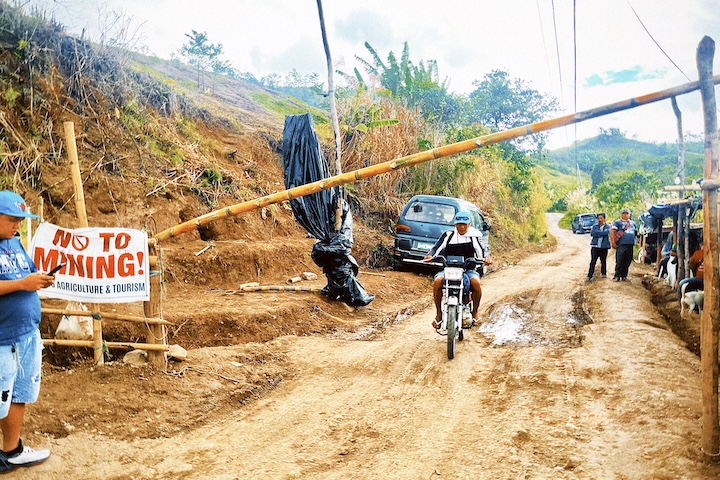
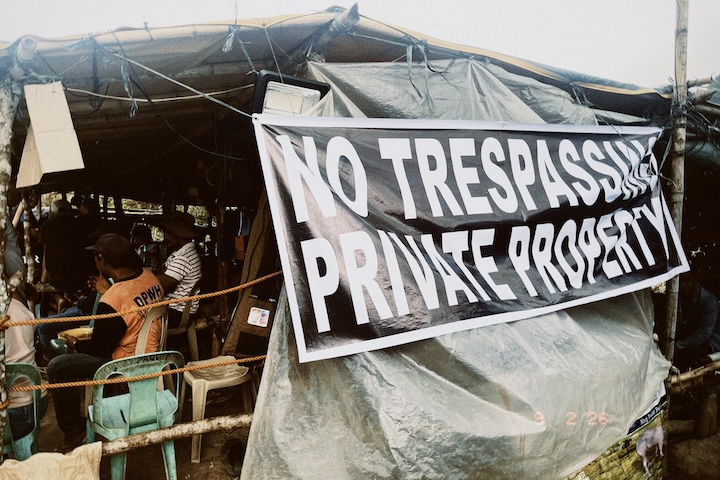
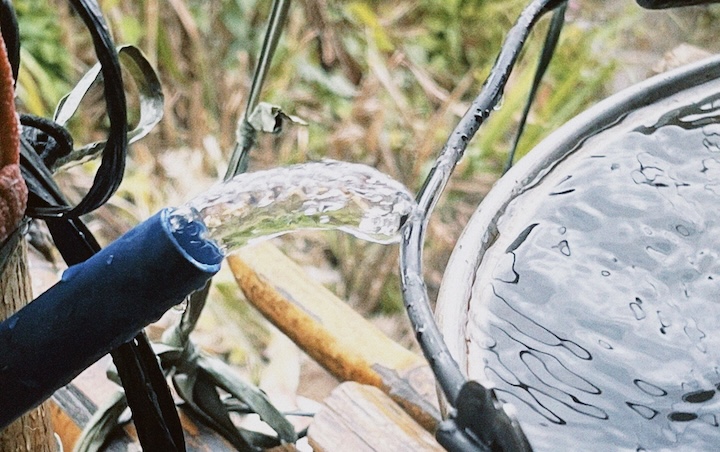
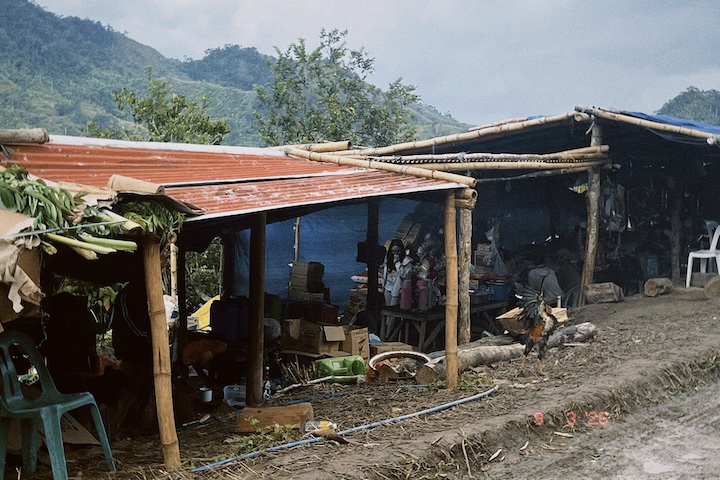
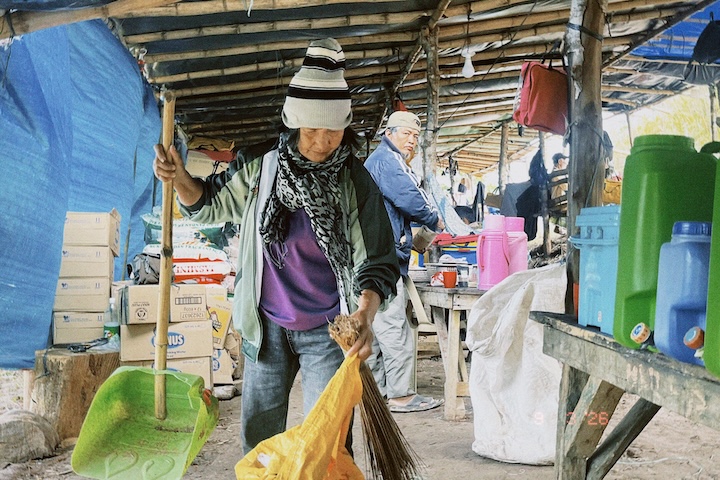
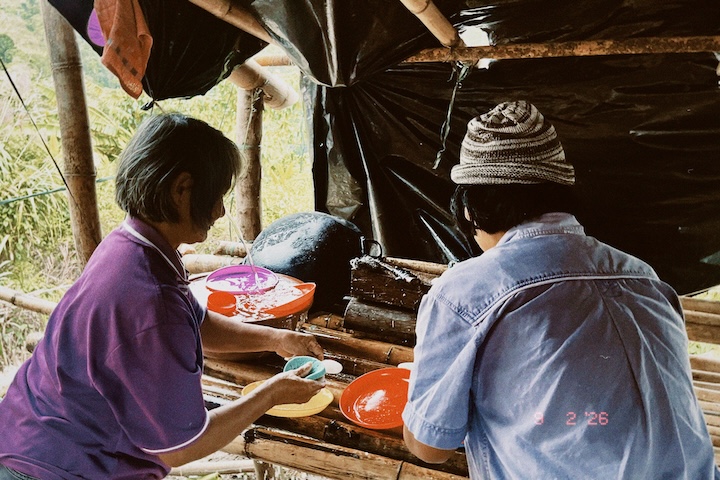
KASIBU, Nueva Vizcaya — For nearly four months, Indigenous Peoples and farmers in Barangay Paquet, Kasibu, Nueva Vizcaya have maintained a barricade against the entry of North Luzon Mineral Resources Corporation (NLMRC) which seeks to conduct large-scale mining exploration in their mountains.
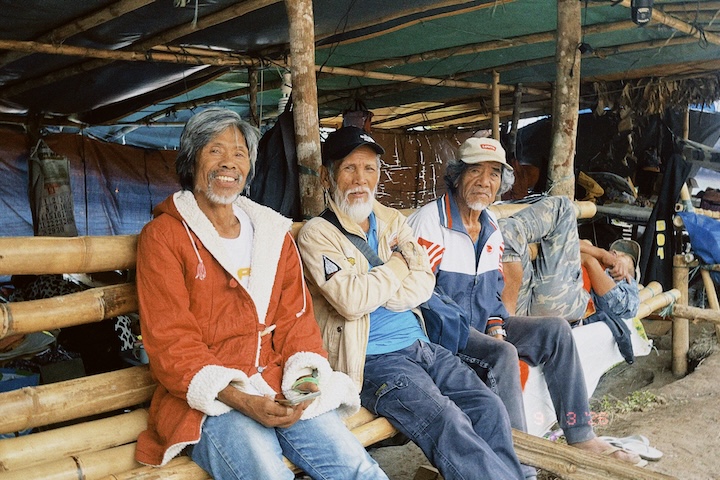
Leading the barricade is Kasibu Inter-Tribal Response Ecological Development (KIRED), a local organization founded in 2007 out of the community’s long struggle against mining. Its historic fight began when Australian mining firm Royalco Resources Ltd., through its subsidiary Royalco Philippines Inc., started mineral exploration in the area despite opposition from local communities. According to community leaders, NLMRC is now the seventh mining company to attempt exploration in their area without the community’s free, prior, and informed consent (FPIC) or genuine consultation.
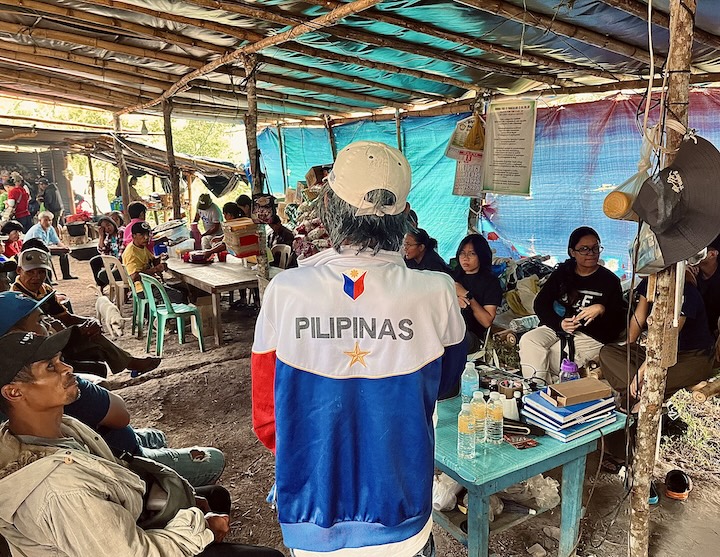
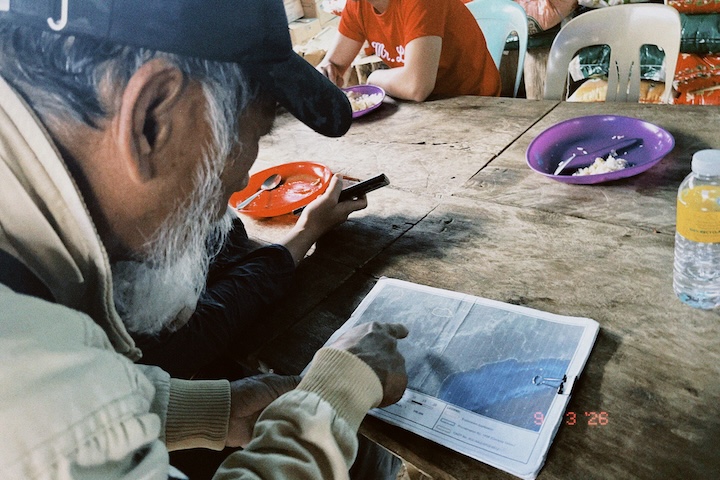
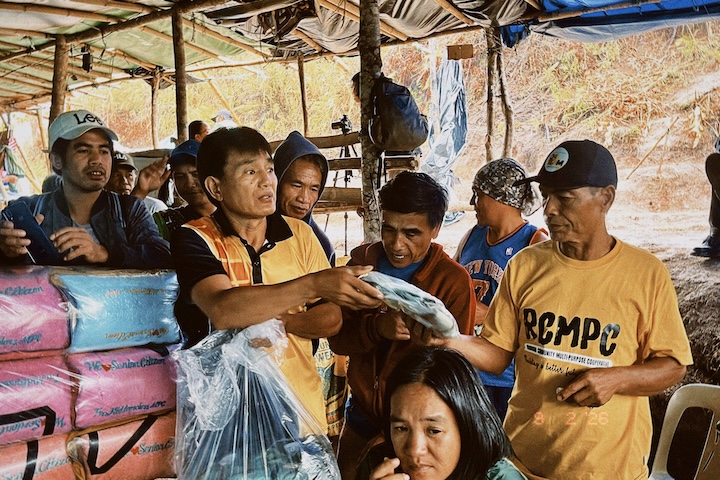
Together with local organization Alyansa ng Novo Vizcayano para sa Kalikasan (ANVIK), KIRED keeps the barricade every day, sustained by donations and solidarity from various people’s organizations, NGOs, and nearby communities in Nueva Vizcaya and beyond.
On August 28, 11 people were arrested when police moved to clear the barricade which served to prevent fuel from entering the area for NLMRC’s exploration activities. They were charged with grave coercion, as well as resistance and disobedience. The residents were later released on bail after four days.
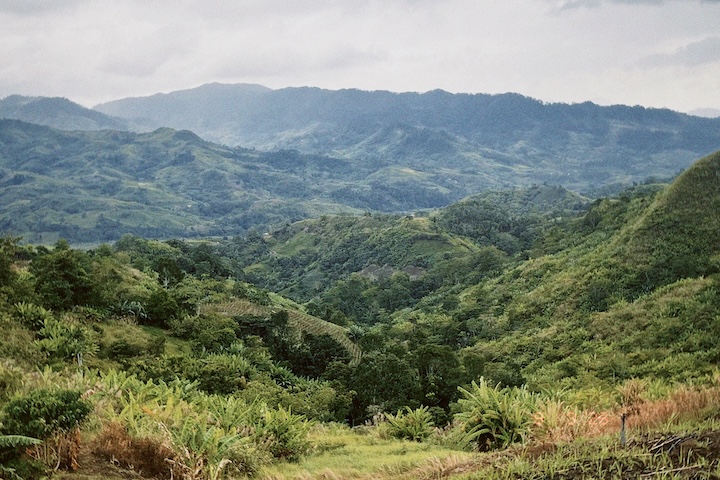
For the people of Kasibu, the mountains are not simply places where minerals can be extracted. They are home, livelihood, and life itself.
Aside from being rich in significant gold and copper deposits, Kasibu is known as the Citrus Capital of the Philippines, with farmers also cultivating dragon fruit and other crops. It is also home to an 18,417-hectare protected forest and watershed.
For farmers, one failed harvest can mean losses of P25,000 ($399) to P150,000 ($2,340) in a single cropping cycle, on top of already high production costs, particularly for fertilizers. Mining-related contamination of soil and water could make an already difficult livelihood even harder.
They also fear landslides, worsening droughts and floods, and the environmental damage associated with open-pit mining as these operations continue to expand.
Kasibu already has active Financial and Technical Assistance Agreements (FTAAs) or government contracts that allow foreign-owned mining companies to explore and develop mineral resources, including those involving FCF Minerals and OceanaGold. Meanwhile, 15 more exploration permit applications are reportedly ongoing.
For community leaders, NLMRC’s entry is another attempt to push mining into their ancestral lands, undermining the consent and consultation to which they have a right.
The barricade is not always a scene of confrontation. What proves to be fundamental is why they are forced to resist in the first place.
The barricade is their line of defense for their ancestral land, their livelihood, their environment, and their basic right to live with dignity. (CAM, DAA)



Photos by Menchani Tilendo
 Save as PDF

0 Comments