Balik-Tanaw | We’re human, too
As I read the Gospel this Sunday, I remember a song from our theatre play production in 2014 about the struggles of the indigenous people in the defense of their ancestral domain.

ADVERTISEMENT
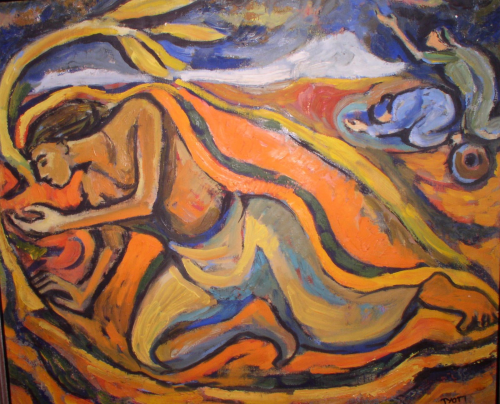
As I read the Gospel this Sunday, I remember a song from our theatre play production in 2014 about the struggles of the indigenous people in the defense of their ancestral domain.

As the number of cases surged enough to put the Philippines ahead of other countries in Southeast Asia; as millions of workers lost their jobs; as schools and businesses ceased operations and even closed permanently; and as the economy spiraled into a recession, apparently at a loss over what to do, Mr. Duterte on a number of occasions declared that only a vaccine could stop the pandemic.

Amid the national outrage and international concern raised over the March 7 “Bloody Sunday” killing of nine activists in the Southern Tagalog region, urgent calls are being addressed to the Supreme Court to do what it can, while it can, to protect the people’s constitutional rights.
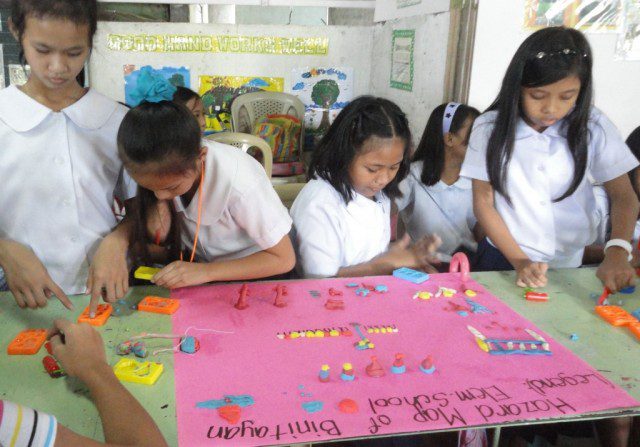
The assumption that education at the basic level should go far beyond the conventional essentials should inform the country’s return to face-to-face classes. Because not everyone can go on to college — where it is presumed that imparting a commitment to civic responsibility and respect for the Bill of Rights are part of the curricula (but often are not) — developing among the young the capacity to make informed decisions as citizens charged with deciding the future of this country should be among the fundamentals of basic education.

The Calabarzon killings were actually the latest of the killings that have provoked such condemnation. Still unresolved are the killings of nine Tumandok indigenous community members in similar police operations in Panay Island last Dec. 30, the attempted slaying of the Tumandoks’ lawyer in Iloilo, as well as the killing by police anti-drug operatives of the mayor of Calbayog City.

Once the aerotropolis is built, the hazards of the storm surfaces and high tide would be more pronounced - especially since we’re in the Philippines, a country hit by tens of typhoons a year. And this will only get worse as storms get more violent and sea levels rise due to climate change - and in fact, destroying mangrove trees release tons of carbon dioxide due stored in their soils.

This latest spate of attacks against activists came a mere nine weeks since the PNP launched a similar operation in Panay island. Nine people were killed and 17 were arrested by the police in several indigenous Tumandok communities on Dec 30, 2020.
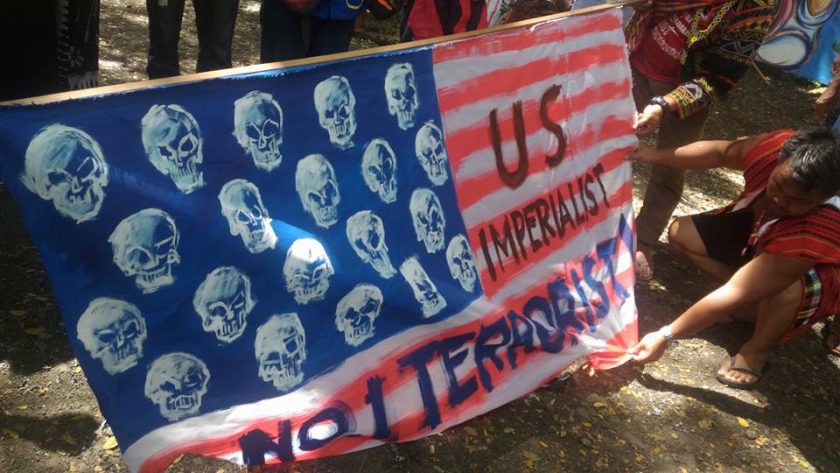
US intervention throughout the globe over the past 120 years in the defense and furtherance of its economic, political, and military interests has not only imbued most Americans with the arrogant presumption that they know best what’s good for everyone else on earth. It has also legitimized the use of force as the main instrument of State policy

Criticized for its muddled, bumbling response to the COVID-19 pandemic, the Duterte government has been trying to rev up its two priority wars – against insurgency and against illegal drugs – in the remaining 14 months of its term.

There are many other instances of how S&T has been shunned and misused in the name of self-interests of those in power. This should also show you not only the ongoing tyranny in the Philippines, but also how it negatively affects science and technology either by disregarding scientific advice if it doesn’t suit the administration’s narrative, or cherry-picking concepts when it furthers their vested interests. That is why there is a need, a responsibility in fact, for us scientists, technologists, and engineers to push back against such oppression, to collectively say no to tyranny. This is the foundation upon which the Scientists and Technologists Say No To Tyranny or (SnT) 2 alliance was built upon.
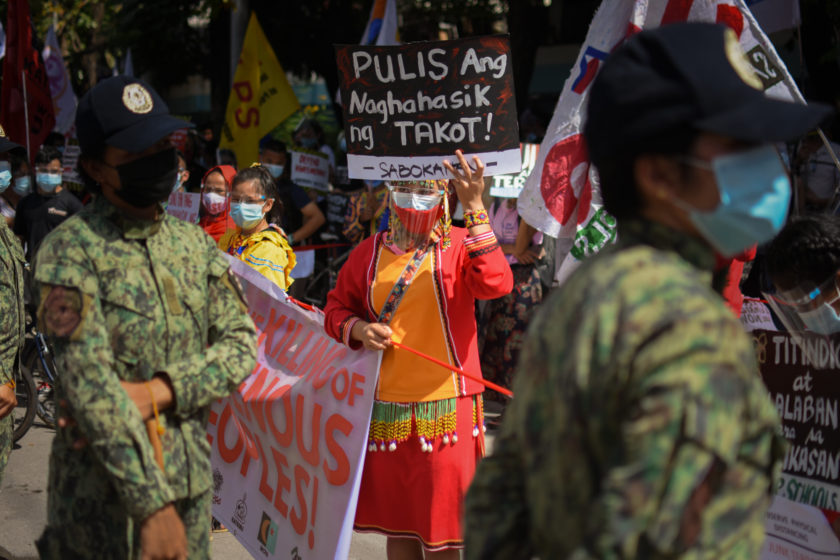
#Bulatlat’s human rights reporting is true to its name - to search, probe, investigate, inquire, unearth facts. Its stories chronicle the facts, circumstances and travails of human rights victims, as individuals and collectively, while providing the political and socio-economic contexts. Cite any human rights case in the past twenty years and google them to look for accurate, well-written and relevant stories pertaining to these cases, and you may most probably find them on #Bulatlat’s website.
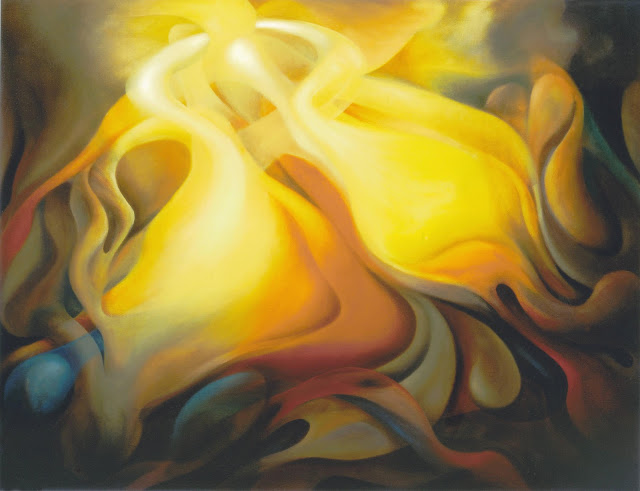
Instead of accumulating fortune, fame, and power for ourselves, we divest our life in service for others, especially for the poor. This descent is to be continued in making ourselves servants and purveyors of care and nurture in order to deliver the maximum impact of unconditional love for others.
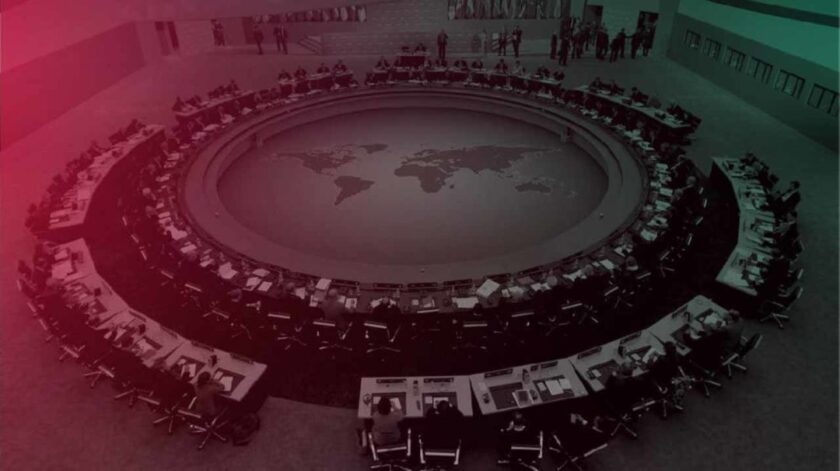
As the G20 meet to discuss the global economic recovery, the Debt Justice group calls for a radical break with extraction and austerity and proposes a new system in its place.

El Caracazo in 1989 and the current Bolivarian Revolution in Venezuela show that resistance to imperialist plunder and mass immiseration and murder of the people through the IMF-WB and the whole neoliberal project is possible and the absolute right and duty of the people.
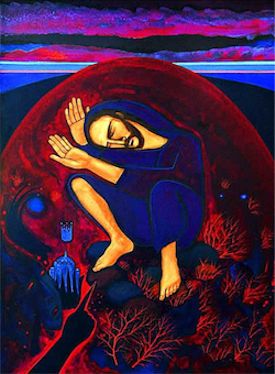

"It was indeed very enriching for me to be given the opportunity to teach the Lumad Junior and Senior High-School students. Likewise, it was very heart-wrenching as I had learned many things from them especially in their narratives of struggles to uphold ownership of their ancestral lands and their way of life as well as their fight for self-determination and liberation from the shackles of their oppressors."

These red (tagged) comrades were not responsible for the phasing out of jeepneys, for rampant violations of human rights, for the collapse of our agriculture. They took up arms precisely because they know that the peaceful means to achieve genuine social change is irresolvable in the current existing system. They realized that it was the existing system, which is unsustainable, that is utopian rather than the alternative future that they were willing to die for. They were not dreamers! They were realistic! Like the 1968 French student rebellion, they demanded the impossible!

For almost 30 years, I was granted the privilege of being issued a permanent resident VISA. I have been living my mission in the Philippines and I have no further desire than to continue my mission among the oppressed workers.

It was then that I knew that alternative news agencies like Bulatlat are instrumental in speaking truth to power. Without the shackles of corporate interest that filters and distorts news agenda, independent media is what is grounds us and directs us to reality.

The soft cry fades away into
the core of a clenched fist
to shout out as
a cry of protest,
a cry for freedom.
A community of readers and supporters that help us sustain our operations through microdonations for as low as $1.
 Save as PDF