Remarks on Mayamor’s collection of 50 poems/binalaybay
Mayamor's poems understand Tumandok identity as marker that distinguishes them from lowland poor peasants pushed upland.
ADVERTISEMENT
Mayamor's poems understand Tumandok identity as marker that distinguishes them from lowland poor peasants pushed upland.
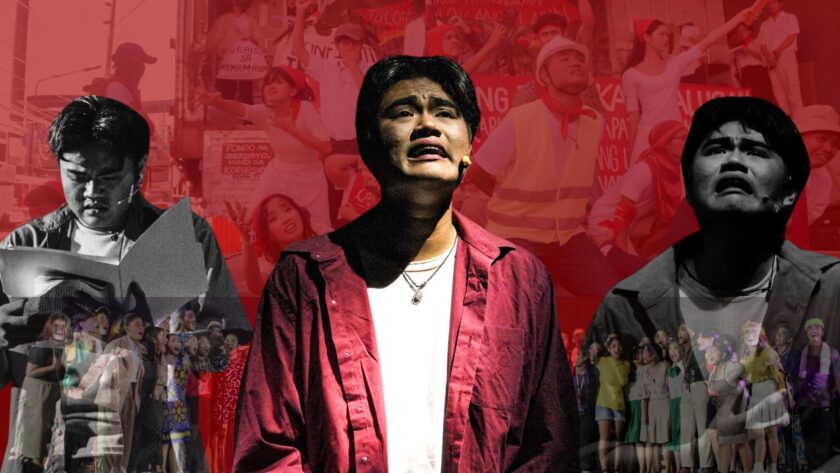
Activists as they are, Ilagan and Lamangan, could not allow the play to leave its audience depressed and hopeless. Their faith in the power of the mass movement seemed endless, ending the play with a positive note, uplifting its cast and audience alike.
The six-day music festival happening from February 12 to 17 at UP Sunken Garden, will champion human rights advocacies that the UP student system fights for.
Ipinahayag ng 1872 na ilusyon ang reporma at liberalismo sa kapuluan. Ang pagkagarote sa tatlong pari ang simbolikong paalala ng lupit at dahas ng kolonyal na kaayusang hindi kayang tapatan ng ilusyon ng ideyalismong liberal na isinulong ng mga naglalayon na maging kapantay lamang sila ng mga mananakop.
June Cortes, a University of the Philippines Los Baños student, shares insights of his journey from the stage of Isko’t Iska to the streets of Bonifacio Day mobilization.
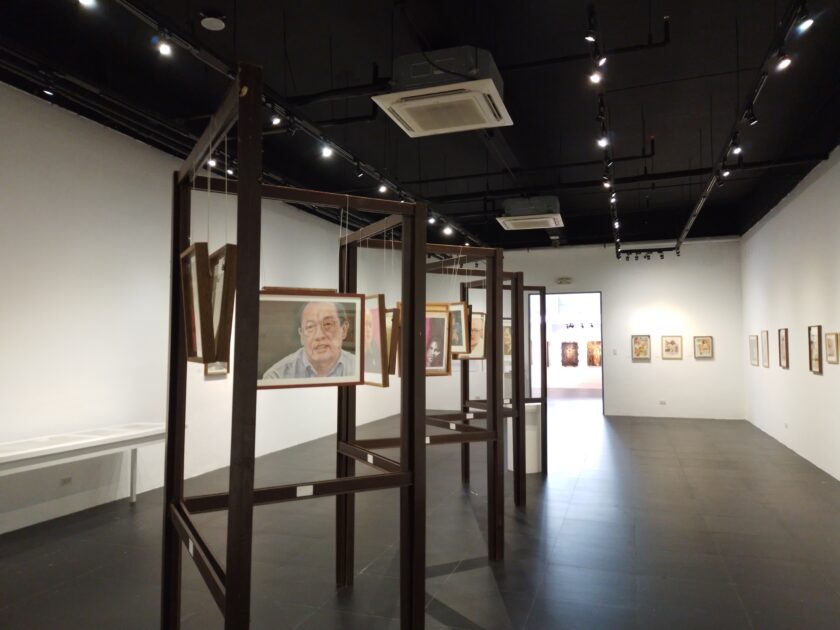
Jesús Manuel Santiago, fondly called Koyang Jess, launched his first ever exhibit titled “Mukhang Pamilyar” at the Gallery One in the UP Fine Arts Gallery in Diliman, Quezon City.
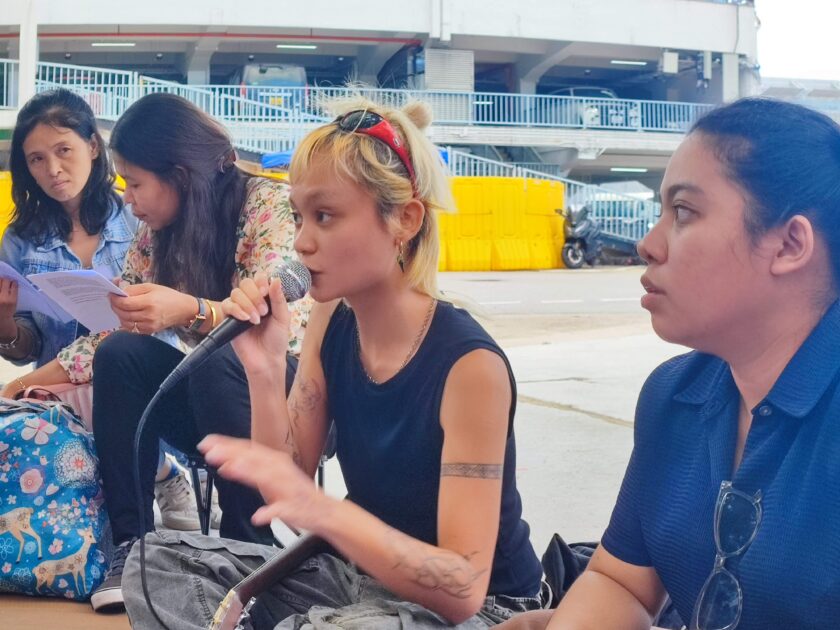
SAKA, or Sama-Samang Artista para sa Kilusang Agraryo, was recently invited by arts center Para Site to visit Hong Kong and share about the struggle for agrarian reform in the Philippines. They produced a booklet entitled, "Three Songs, Three Recipes." SAKA, an alliance of artists concerned with genuine land reform, rural development, and food security, bonded with migrant workers over food and music.
“Challenging this suit and condemning such action from the QCPD is necessary to keep the state’s armed forces from dictating how we practice our freedom of expression and set a precedent– especially for artworks that are anchored towards the current administration and the system."
The production takes an unconventional approach to telling the story of ordinary people under extraordinary circumstances— of poverty and pandemic— humanizing their choices, actions, and love languages. The film successfully stitched the fictional characters and the realities in the background, tapping kilig into romantic chemistry and familial love.
"It is well established that an effigy is a form of art. It is not solid waste: it is not garbage or refuse."
And perhaps, each generation is just defined by vastly different things that represent particular socio-political, cultural, and technological moments.
The burning of effigies dates back to the dictator Ferdinand Marcos Sr.’s rule. Burning effigies has become a regular staple during major protests in the Philippines.
We must therefore never forget that contradiction in fighting back for freedom of expression today. Freedom of expression is not a privilege of those in power, but a weapon of the oppressed to safeguard against the abuse of power—whether economic, political, and social.
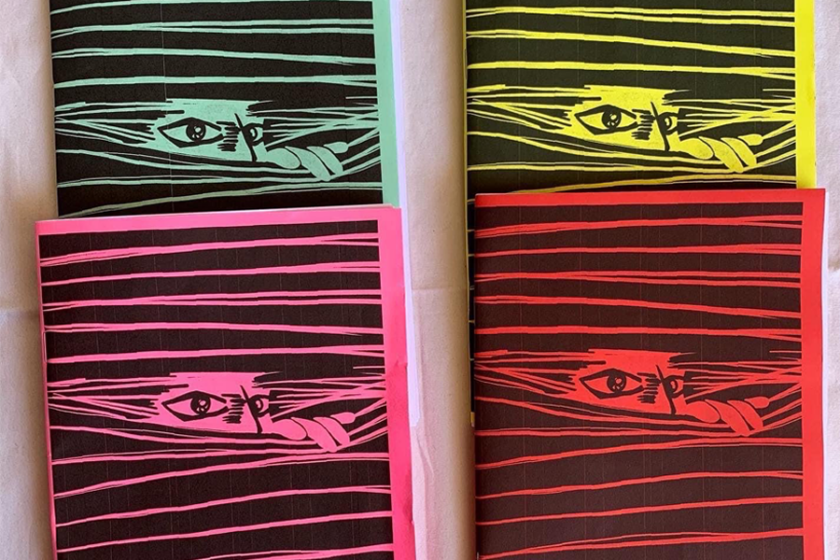
“This zine offers lessons and hopes. It fortifies the morale of activists targeted in their region, gives inspiration to the hopeless, and reflects the unformidable love for their colleagues— disappeared and were victimized by the state."
Aside from breaking barriers in the themes they are covering, the growing PPOP movement in the music industry is also slowly changing the entertainment landscape.
Inspired by the culture of body painting in the Visayas, artist Armand Jake Dayoha (Instagram: @mr.aramanada) paid homage to the ancient art custom. Introducing his works of art, Dayoha stressed out how Western art influenced local artists, relegating the use of indigenous elements to the margins.
The end song Freedom comes alive with today’s commemoration of independence day. By telling A’Tin “you are my freedom,” SB19 prompts our consciousness to rely on the masses in the struggle for self-rule.
Combined with the visuals that the music video served, SB19’s Gento also appears to give a nod to not just the struggle of the Mahalima themselves but also that of the ordinary folk.
We do want change in our movie culture by fighting the stereotypes and finding relevant stories. But this change needs more input not from politicians, but rather from filmmakers, the academe that can provide deeper understanding of cultures, the sectors who have been victims of stereotype, and the audience itself.
A community of readers and supporters that help us sustain our operations through microdonations for as low as $1.