

Residents have confirmed to Mindanao scientists the presence of horseshoe crabs in the waters of the southern Philippine island province of Tawi-Tawi. Previously, the arthropods were only found in Palawan province, but a recent study documented fishers and coastal residents accounts of two distinct horseshoe crab species with features resembling those of the tri-spine horseshoe crab (Tachypleus tridentatus) and the mangrove horseshoe crab (Carcinoscorpius rotundicauda) in the waters of Tawi-Tawi.
The tri-spine horseshoe crab is listed as endangered on the IUCN Red List, while the mangrove horseshoe crab is listed as data deficient, meaning not much is known about its conservation status.
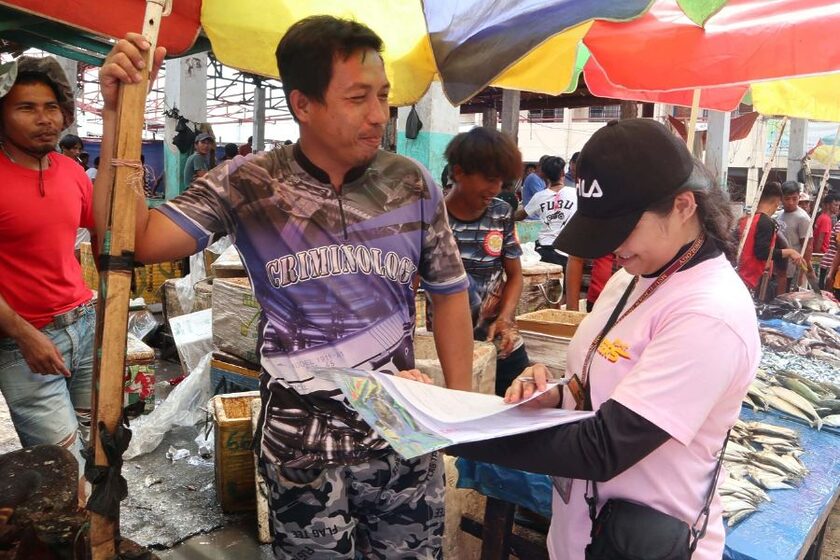
Ivane Pedrosa-Gerasmio, the corresponding author of the study and an associate professor in marine sciences at the Mindanao State University (MSU) – Iligan Institute of Technology, said that on her visit in a market in Bongao, the capital of Tawi-Tawi, in December 2023, locals claimed of seeing horseshoe crabs.
Pedrosa-Gerasmio told Mongabay she shared the news with her student Quesie Tolero Omnos, and together they decided to investigate further with the MSU Tawi-Tawi College of Technology and Oceanography.
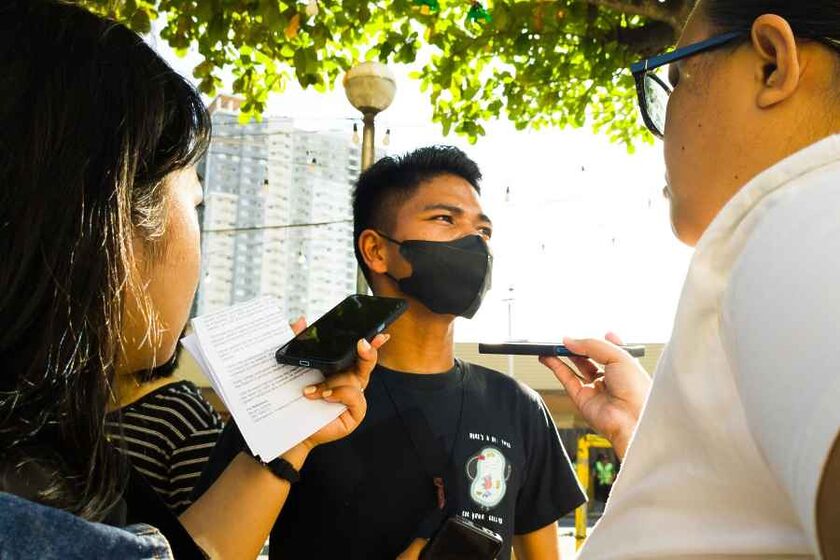
“I saw an opportunity to establish baseline information that could support future research and science-based conservation initiatives for horseshoe crab species,” Omnos told Mongabay.
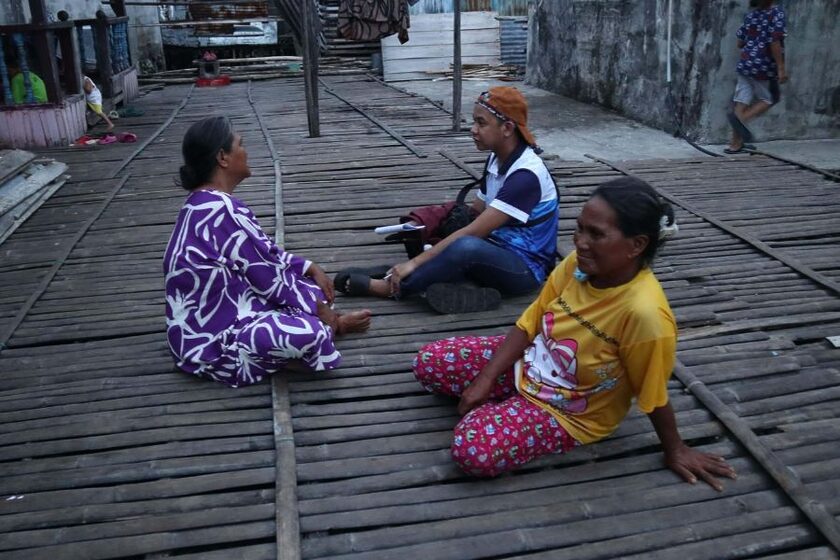
Pedrosa-Gerasmio, Osmos and their colleagues decided to rely on the people who best know the coastal areas. The scientists talked with 142 residents across four municipalities in Tawi-Tawi about where they had seen horseshoe crabs, how frequently, what they thought of the crabs’ population changes, and how they collected and consumed the crabs. Horseshoe crabs are called “bangkas” by the locals, due to their boat-like shape.
Those interviewed had observed horseshoe crabs turn up on sandy beaches, in mangroves, among rocky coral and seagrass, and in waters 10-15 meters (32.8-49.2 feet) deep in Bongao and other coastal towns such as Simunul, Sitangkai and Panglima Sugala.
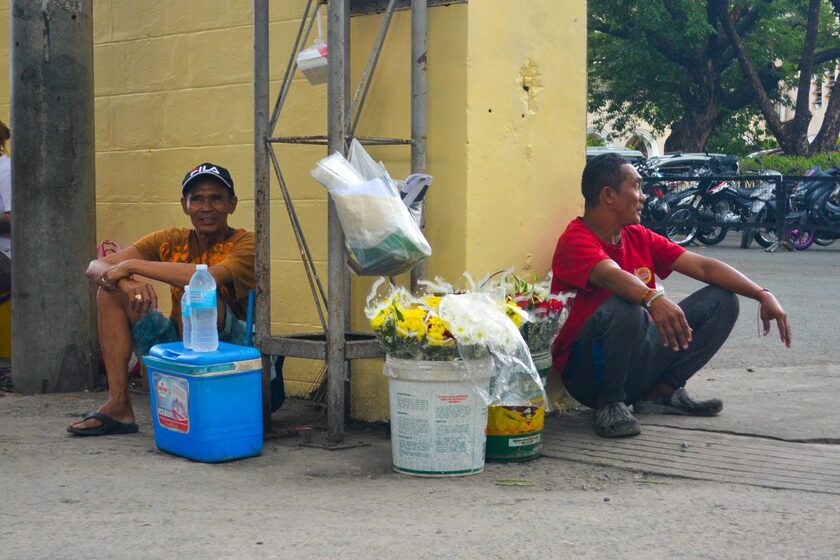
Residents and fishers told the researchers that locals capture horseshoe crabs to use in medicine to cure asthma and other illnesses, and in rituals for people possessed by bad spirits. More than half of those interviewed also thought that horseshoe crab numbers were declining, possibly due to collection for medicinal purposes, climate change and industrial pollution.
Horseshoe crabs are often referred to as “living fossils,” because they have existed for 450 million years, outlasting dinosaurs. There are just four known species of these crabs; three are found in Asia. All Asian horseshoe crab populations are declining due to threats including habitat loss in Japan, bycatch and beach litter in Indonesia, and overharvesting, pollution and coastal reclamation in China.
Omnos said conserving the two horseshoe crab species they’ve potentially documented in Tawi-Tawi is important because of their ecological significance, possible pharmaceutical applications and cultural value to the communities.
“I believe conservation should begin with sufficient scientific evidence on their occurrence, distribution, population status, and threats, which can guide local government units in developing science-based management plans,” she said. Reposted by Bulatlat
Disclosure: This article was first published by Mongabay on October 27, 2026, and is republished here under a Creative Commons license. It was produced as part of the Southeast Asia Ocean Reporting Fellowship, for which the author is the Philippines fellow.
 Save as PDF






0 Comments