
“This is an important step toward protecting human rights defenders from red-tagging, surveillance, harassment, and threats.”
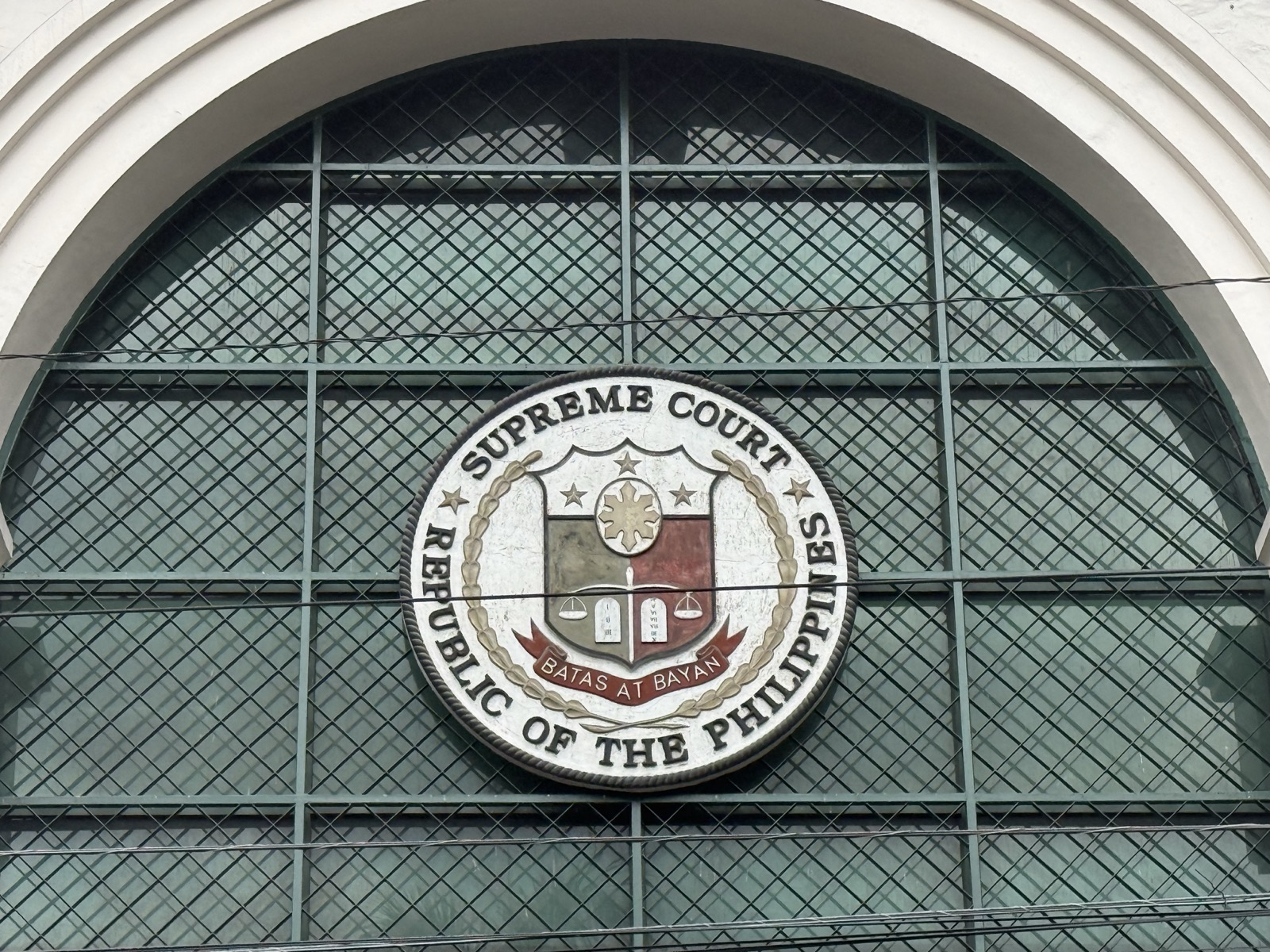
MANILA — After six months, the Supreme Court (SC) issued protective writs of amparo and habeas data for Negros-based lawyer Rey Gorgonio and development workers Joselito Macapobre, Analyn Mirano, and Ma. Anabelle Ilustrisimo.
After they filed a petition on March 5, the writs were granted at an SC en banc session on August 5. The high court directed Lt. Gen. Antonio Nafarrete and others not to go within one kilometer of the petitioners and their immediate family members.
“This is an important step toward protecting human rights defenders from red-tagging, surveillance, harassment, and threats,” said the National Union of Peoples’ Lawyers (NUPL) who represented the petitioners.
The SC further instructed the Court of Appeals (CA) to conduct a summary hearing to determine whether the four petitioners are entitled to the privileges of the writs of amparo and habeas data, particularly permanent protection, identification of accountability, and granting of other reliefs like deletion or surrender of government data on them.
A human rights lawyer, Gorgonio represents the poor in Negros. Macapobre, Mirano, and Ilustrisimo work for Paghida-et sa Kauswagan Development Group (PDG), a local grassroots organization working for agrarian reform, sustainable agriculture, and the rights of small farmers and fisherfolk.
“This Resolution is significant not only for the petitioners but also for development workers, human rights defenders, lawyers, journalists, church workers, indigenous peoples, farmers, and civil society organizations who continue to carry out legitimate work in communities despite increasing risks and restrictions on civic space,” said PDG in a statement sent to Bulatlat.
Read: Negros-based NGO helping farmers exposes lies, inaccuracies in terror financing complaint
The case stems from a buildup of harassment and surveillance against the Negros-based human rights workers.
On January 17, Mirano received a message from an unidentified individual claiming to be from National Intelligence Coordinating Agency (NICA), demanding her to become a paid informant for the military. A week later (January 25), Gorgonio received a death threat while at a public forum on the writ of kalikasan and the campaign to stop the palm oil plantation in Candoni.
Macapobre, on the other hand, survived an abduction attempt on January 18 after delivering seed relief assistance to farmers. He was seized by three armed men and was forced to a waiting van. He managed to break free and escape with the help of nearby farmer leaders. Despite this, the harassment against him continued.
Read: After surviving abduction attempt, Negros dev’t worker decries ‘visits’ by state agents
Ilustrisimo endured military harassment starting in 2019. The first time was when she was informed by residents of Brgy. Urong, Kabankalan City, that soldiers from the 94th Infantry Battalion were asking about her. The surveillance persisted until 2022 when she witnessed soldiers monitoring her movements at least three times.
They were subjected to red-tagging by the military and law enforcement agencies for their affiliation and the work they do.
PDG stressed that development workers and civil society organizations have consistently documented harmful effects of red-tagging like fear, weakened democratic participation, and undermined trust between communities and public institutions.
Human rights group Karapatan also welcomed the SC resolution, stressing that the four petitioners’ situation mirrors the plight of human rights defenders, development workers, lawyers, church people, journalists, and community organizers who have been targeted under the government’s counterinsurgency program.
“The Court’s action validates what human rights advocates have long been asserting, that red-tagging is a dangerous state policy and practice that exposes its targets to surveillance, intimidation, fabricated charges, arbitrary arrests, enforced disappearances, and even extrajudicial killings,” said Cristina Palabay, secretary-general of Karapatan.
“Protective writs exist because the Constitution recognizes that the rights to life, liberty, and security must be defended against abuse. While this development is welcome, the ultimate measure of justice is not merely the issuance of protective orders but the cessation of red-tagging and the accountability of those who perpetrate it,” Palabay said.
PDG and Karapatan renewed their call to abolish the National Task Force to End Local Communist Armed Conflict (NTF-ELCAC) which implements the Marcos Jr. administration’s counterinsurgency policy, particularly the National Action Plan for Peace and Development (NAP-UPD).
“We believe that public resources should instead be directed toward institutions and programs that strengthen human rights, accountable governance, social justice, inclusive development, and genuine peacebuilding through dialogue and respect for democratic rights,” PDG said. (DAA)
 Save as PDF



0 Comments