

While the island’s economy relies heavily on its famous white-sand beaches and natural attractions, locals and conservation advocates worry that unmanaged tourism growth could lead to environmental degradation.
By Kathleen Lei Limayo
SIQUIJOR — Siquijor is in a race against time to protect its ecosystem from a tourism boom that threatens to destroy the very beauty that draws crowds.
Data from the Siquijor Provincial Tourism Office highlights an unprecedented growth trajectory. After a steady post-pandemic recovery, annual visitor arrivals surged from 168,366 in 2019 to more than 271,000 by 2025. Tourism is the main driver of Siquijor’s economy, according to Luis Borongan, Tourism Operations Officer of the Provincial Tourism Office.
Famous for its pristine beaches and heritage of traditional healing, Siquijor has successfully shed its historical stigma associated with barang (black magic) and gayuma (love potions). Today, the island leverages its environment to attract domestic and international travelers.
Social media has played a pivotal role in this boom. Viral videos of influencers and celebrities experiencing the island’s “fairy walk” have heavily marketed Siquijor’s eco-tourism. According to recent statistics from the Siquijor Provincial Tourism Office, local travelers account for 60 percent of the island’s visitors, while the remaining 40 percent are foreign nationals, mostly from Europe.
While the island’s economy relies heavily on its famous white-sand beaches and natural attractions, locals and conservation advocates worry that unmanaged tourism growth could lead to environmental degradation.
The pressure of tourism in Siquijor
According to the Siquijor Provincial Tourism Office, the island’s capacity is already strained. During peak travel seasons, local hotels and resorts frequently run out of rooms to house the surge of travelers.
“The number one problem that we are facing right now is the number of tourists arriving on the island—mass tourism,” warned Borongan. “We are not there yet, but with the trend that we have, we might go there.”
Compounding the issue is a looming energy crisis, with regular power outages plaguing the island. Siquijor currently relies on a diesel power plant. To address this, Borongan noted that the provincial government is planning a transition to a hybrid energy system, integrating solar power to stabilize the grid for both residents and commercial tourism.
Healing tourism and traditional medicine
Rooted in centuries-old traditions, Siquijor’s annual Healing Festival takes place every Holy Week at Mount Bandilaan—the island’s highest peak and a site of deep spiritual significance for local healers, known as mananambals. The cultural event is designed to promote heritage tourism and invite travelers to experience Siquijodnon culture.

Among the island’s veteran traditional healers is 60-year-old Sebio Buhian, who noted that his patients travel from as far away as Zamboanga City to seek remedies for hilo (poisoning) and barang (hexes).
The mananambals craft their tambal (traditional medicine) using a coconut oil base infused with various flora sourced from Mount Bandilaan, along with select marine life gathered from Siquijor’s coral reefs.



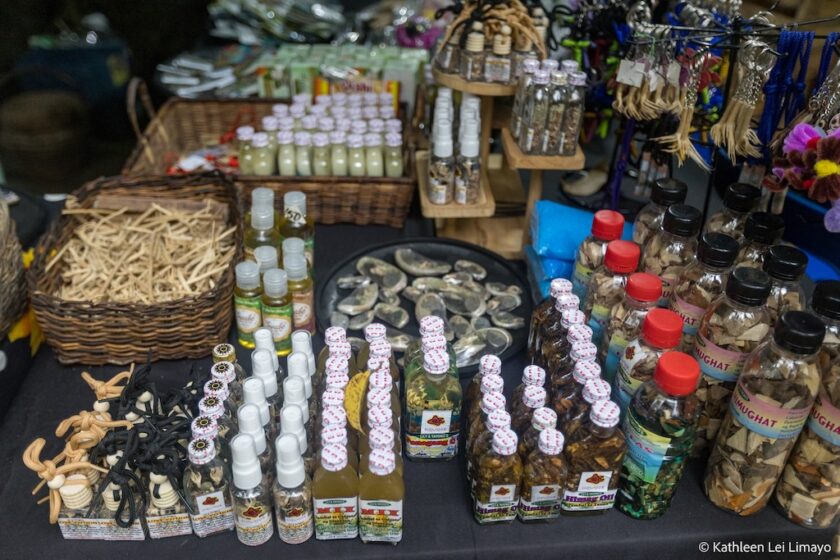


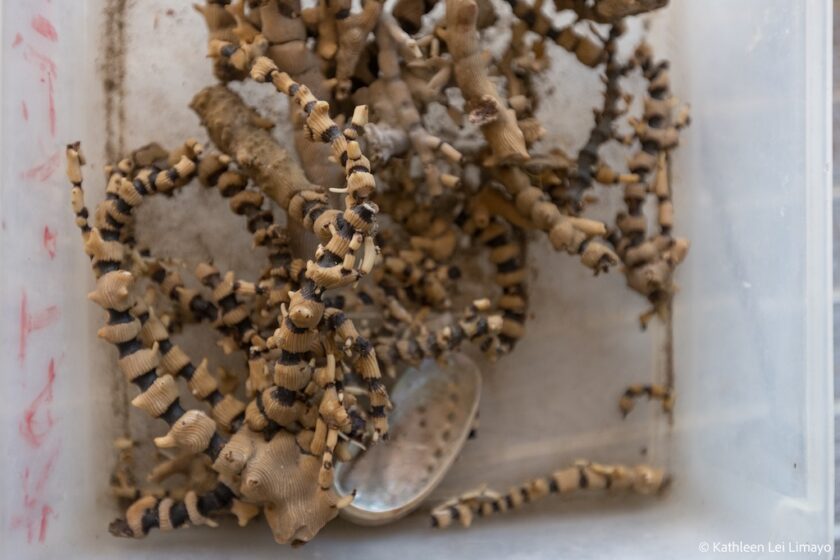
The herbal mixture utilizes local medicinal plants such as lagundi, sambong, katyubong, manungal, tagiwili, and pansit-pansitan. To counteract the effects of black magic, healers also integrate spiky marine creatures, such as sea urchins and brittle stars, believing their natural defenses ward off bad spirits.

Photo by Kathleen Lei Limayo\
Protecting Siquijor’s biodiversity
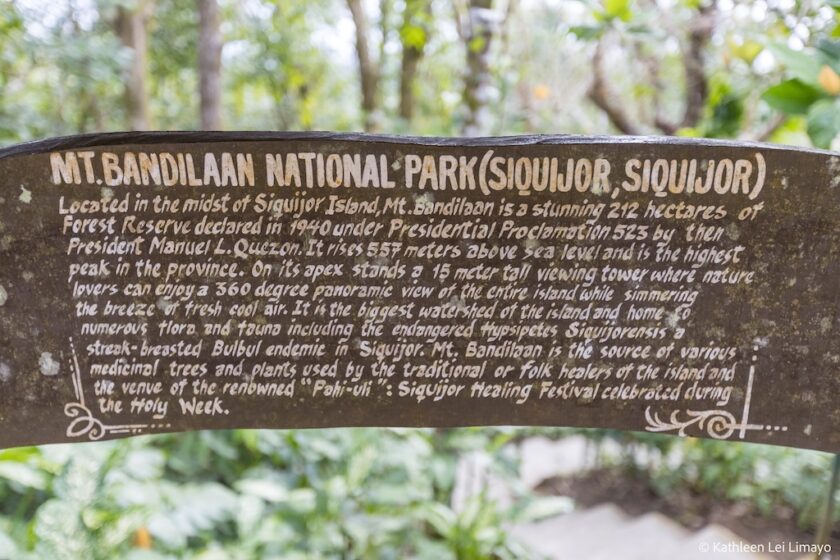
Siquijor’s pristine ecosystem owes its protection to the “ridge-to-reef” model designed to protect its natural resources. At the heart of this system is Mount Bandilaan, a 212-hectare forest reserve and critical watershed established in 1940 under Presidential Proclamation 523 by President Manuel L. Quezon. Today, the reserve serves as a vital sanctuary for highly endemic and threatened species.
The forest is a designated critical habitat for the endemic streak-breasted bulbul (Hypsipetes siquijorensis), the yellow-faced horseshoe bat (Rhinolophus virgo), and the near-threatened little golden-mantled flying fox (Pteropus pumilus). A floristic study conducted by Aureo et al. recorded over 188 plant species within the island’s ecosystems, including 33 endemic and 19 threatened species.1
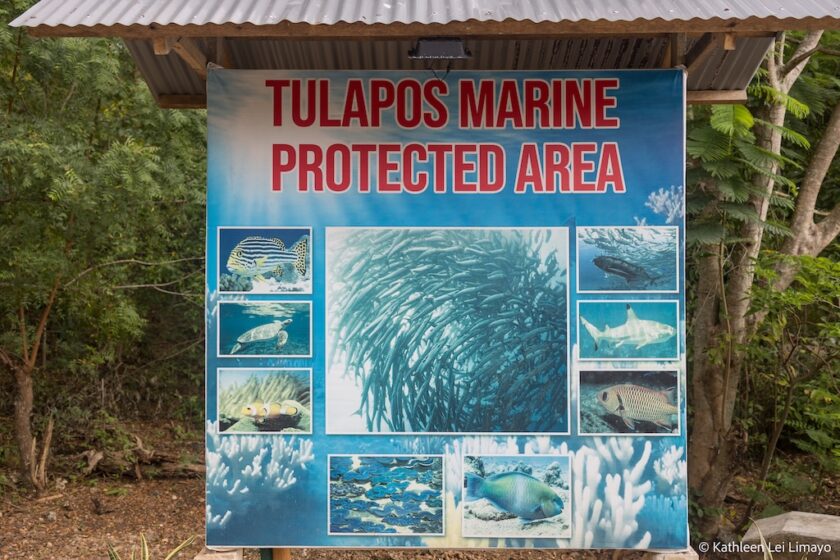
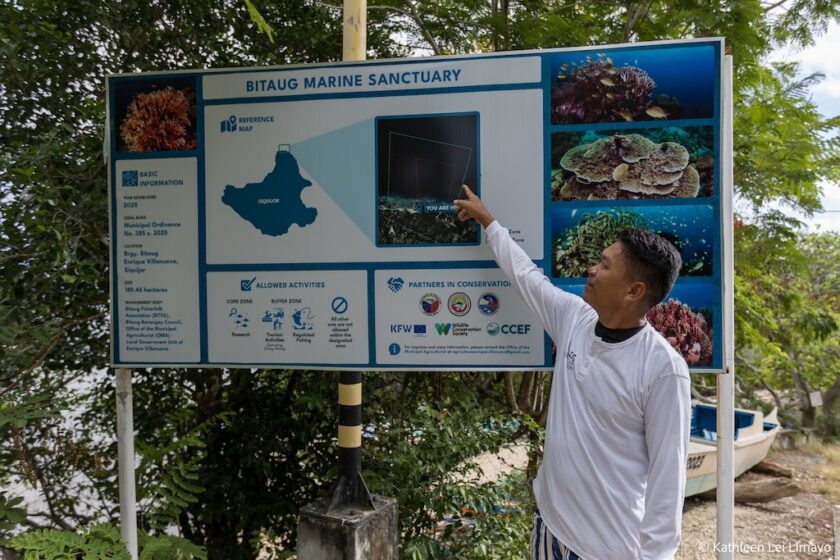
On the coast, Siquijor safeguards its waters through 23 officially designated Marine Protected Areas (MPAs) spanning roughly 413 hectares. The largest of these is the Bitaug Marine Protected Area, which covers 149.46 hectares.
According to Dean Apistar, Senior Marine Program Implementation Manager of the Wildlife Conservation Society (WCS), the island boasts exceptional marine biodiversity. Siquijor’s reefs host several protected species, including blacktip reef sharks, barracudas, sea turtles, and the critically endangered Philippine guitarfish (Rhinobatos whitei).
Siquijor’s conservation effort relies on a unified integration of national, provincial, and municipal policies. Central to this strategy is the Siquijor Provincial Coastal Resource Management Alliance, an inter-local government unit network that enforces a “one-island approach.” This collaborative framework allows the province to seamlessly monitor and protect marine sanctuaries across multiple municipalities, ensuring that local ordinances are fully backed by the provincial government.
Eco-tourism supporting Siquijor’s biodiversity and local livelihood
Among the island’s eco-tourism destinations for snorkeling, scuba diving, and freediving is the newly established Bitaug Marine Protected Area (MPA). The sanctuary’s declaration was the culmination of an 18-year process involving extensive public consultations and legislative approval from the Sangguniang Bayan, supported by the Coastal Conservation and Education Foundation (CCEF) and the Wildlife Conservation Society (WCS).
To manage the influx of visitors, a new sustainable development initiative called the Siquijor Ecotourism Circuit (SECOTOUR) balances environmental conservation with economic growth. For P499 ($8), travelers can purchase a single ticket granting access to six participating MPAs across the island, offering a discounted alternative to paying individual environmental fees at each site.
The SECOTOUR framework allows all six sanctuaries to share profits uniformly, discouraging competition and preventing overcrowding at any single destination by distributing tourism pressure evenly across the MPAs.
Beyond ecological conservation, eco-tourism offers alternative livelihoods for local fishing communities, reducing dependencies on fisheries. Othelo Manos, a bantay dagat (sea warden) and president of the Bitaug Fisherfolk Association in Villanueva, Siquijor, noted that the initiative directly benefits local fishers through tour guide fees, boat operations, logistics support, and equipment rentals.
Under the MPA revenue-sharing model, tourism income is split between a dedicated conservation fund and direct profit-sharing for the managing fisherfolk association.
“With profit sharing, locals become deeply invested in maintaining the health of the marine ecosystem because they directly benefit from ecotourism,” said Marianne Saniano, Senior Conservation Impact Manager of WCS.
To ensure the long-term success of MPAs, organizations like CCEF and WCS provide technical training to these managing communities, conducting workshops on safe operations, reef ecology, responsible wildlife encounters, and the environmental significance of healthy marine habitats.
Pathway to sustainable eco-tourism
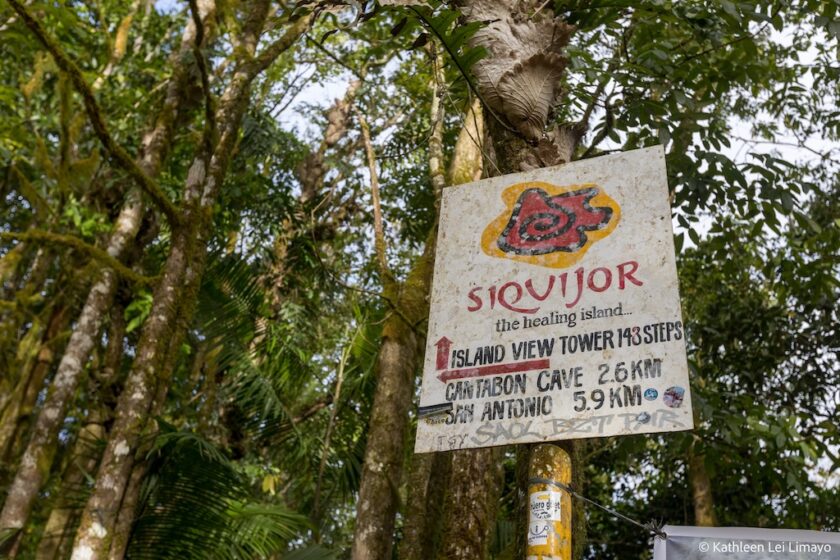
Siquijor is finalizing its Tourism Code to safeguard its fragile ecosystems from unregulated tourism growth, according to Borongan of the Provincial Tourism Office. The framework is designed to work in tandem with existing municipal environmental guidelines and the local Fisheries Code.
To guarantee the sustainability of these eco-tourism, Marianne Saniano of the Wildlife Conservation Society (WCS) urged the integration of clear spatial zoning within Marine Protected Areas (MPAs). She emphasized that the zoning must clearly define where commercial businesses can operate, establish navigational lanes, dictate who enforces wildlife regulations, and establish revenue-sharing benefiting local communities.
Despite all the progressive environmental policies, Siquijor’s eco-tourism sector faces a primary challenge of sustainable financing. The survival of a marine sanctuary extends far beyond its initial establishment; continuous enforcement, monitoring, and equipment maintenance require stable, long-term budgets. Currently, Municipal Coastal Resource Management (CRM) funds remain insufficient, particularly for third- and fourth-class municipalities that lack the budget to purchase enforcement equipment like high-speed patrol boats.
Saniano emphasized that the sustainability of eco-tourism can only be achieved through community-led management by recognizing local fishing communities as active co-managers of their marine ecosystems rather than passive beneficiaries.
Ultimately, long-term environmental protection succeeds when local, provincial, and national policies align to protect marine habitats, secure alternative livelihoods for locals, and hold tourists accountable to their environmental responsibilities. (AMU, RVO)
Bibliography:
1 Aureo, W. A., Reyes, T. D., & Jose, R. P. (2021). Floristic assessment of the Mt. Bandila-an Forest Reserve in Siquijor, Philippines. Research Square. https://doi.org/10.21203/rs.3.rs-863087/v1
Diclosure: This story was produced with support from a grant by the Earth Journalism Network.
 Save as PDF






0 Comments