
By Mitch Teofilo
Bulatlat.com
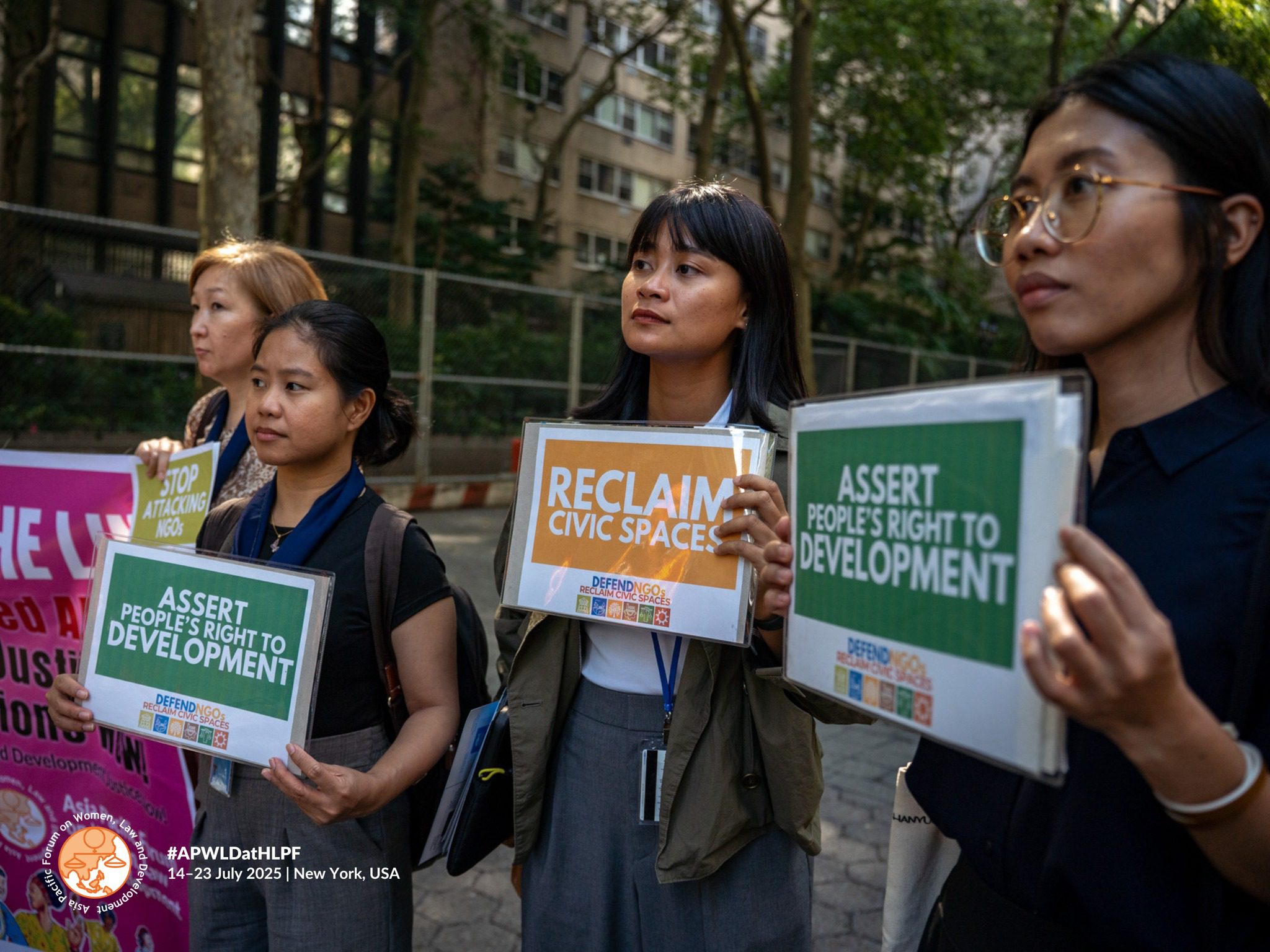
NEW YORK — At the 2025 High-Level Political Forum (HLPF), the Philippine government once again presented a polished narrative of inclusive governance. In its official statement during the session “Strengthening alliances for SDG implementation: multi-stakeholder engagement for the 2030 Agenda”, the delegation claimed:
“In the Philippines, the establishment of the Stakeholders’ Chamber on the SDGs exemplifies how participatory governance can drive transformative change. Now boosting 65 active members, this platform brings together civil society, the private sector, academe, and other non-government actors to inform policy, mobilize resources, and monitor SDG progress,” Philippines’ Statement (UN WebTV: 01:22:13-01:24:13)
Yet, during the Q&A session for the Voluntary National Review Report of the Philippines, the delegation said:
“We continue to engage with civil society. Yes, they are not yet part of the Stakeholders’ Chamber, but we are looking to increase the membership of that Stakeholders’ Chamber.” (Philippine Delegation)
This contradiction, claiming CSO inclusion while admitting their exclusion, exposes a troubling pattern. The Philippine delegation continues to misrepresent civil society engagement in international arenas.
Civil society organizations (CSOs) have been described as “champions of equity and advocates of the marginalized” in the Philippines’ 2025 VNR report. But in practice, they are sidelined from decision-making spaces like the Stakeholders’ Chamber which remains dominated by private sector and academic actors.
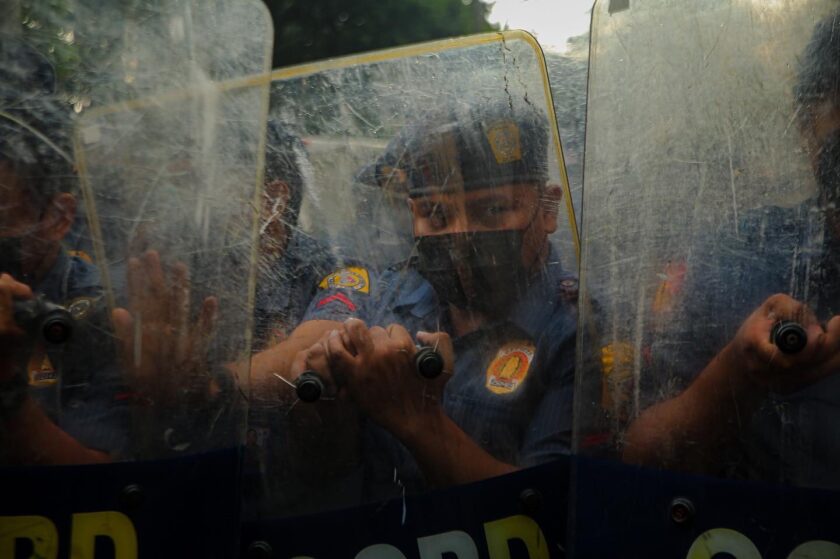
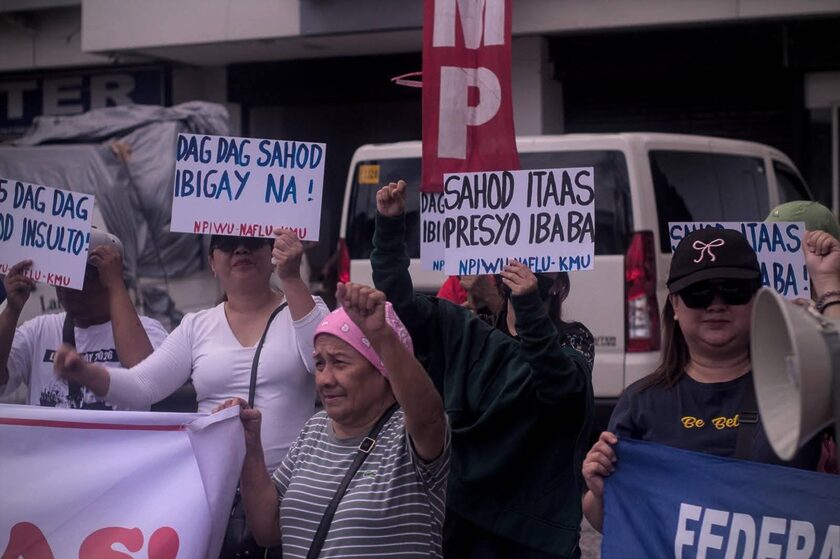
This inconsistency is not just rhetorical. It is also systemic. CSOs continue to experience threats, red-tagging, surveillance, and criminalization. With 819 political prisoners and counterinsurgency programs like NTF-ELCAC institutionalizing repression, civic space is shrinking fast.
Outgoing ECOSOC President H.E. Mr. Bob Rae gave a powerful reminder during the HLPF:
“One of the great features of the life of ECOSOC is the strong relationship we have with multistakeholders groups and with civil society throughout the world. We need to keep reminding ourselves because very few people necessarily are aware of it but it is important to remember that the Economic and Social Council is a charter body. It is important to recognize that one of the features of the work of the council is the responsibility we have to engage with the civil society and to be a place where civil society more broadly can be part of the life of the UN. The UN is an organization whose charter begins with ‘We, the Peoples’.
This foundational principle must guide SDG implementation, not just in New York, but in every Barangay and community where development is lived and shaped by communities.
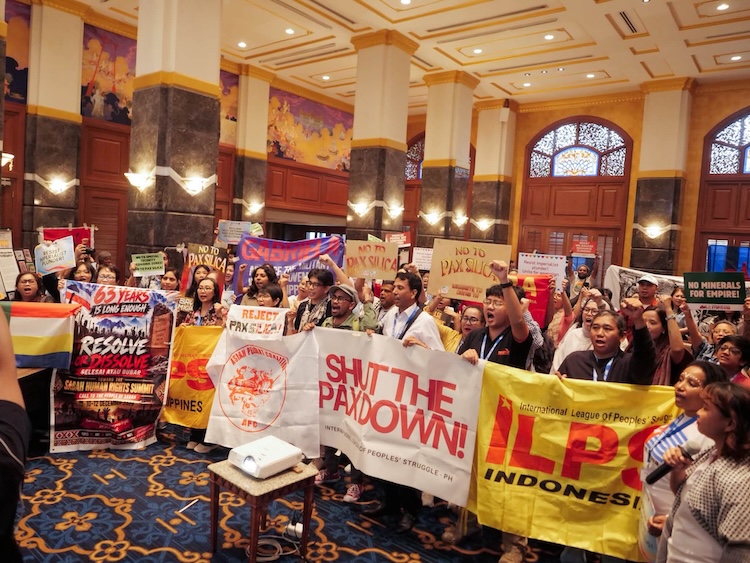
Civil society is not asking for favors. It is asserting its rightful role in shaping the future. The SDGs cannot be achieved through profit-driven partnerships alone. They must be rooted in rights-based governance, community-led development, and structural transformation.
The Philippine government must stop misrepresenting CSO inclusion on global stages. Progress begins with truth- and with the people. (DAA)
 Save as PDF
0 Comments