
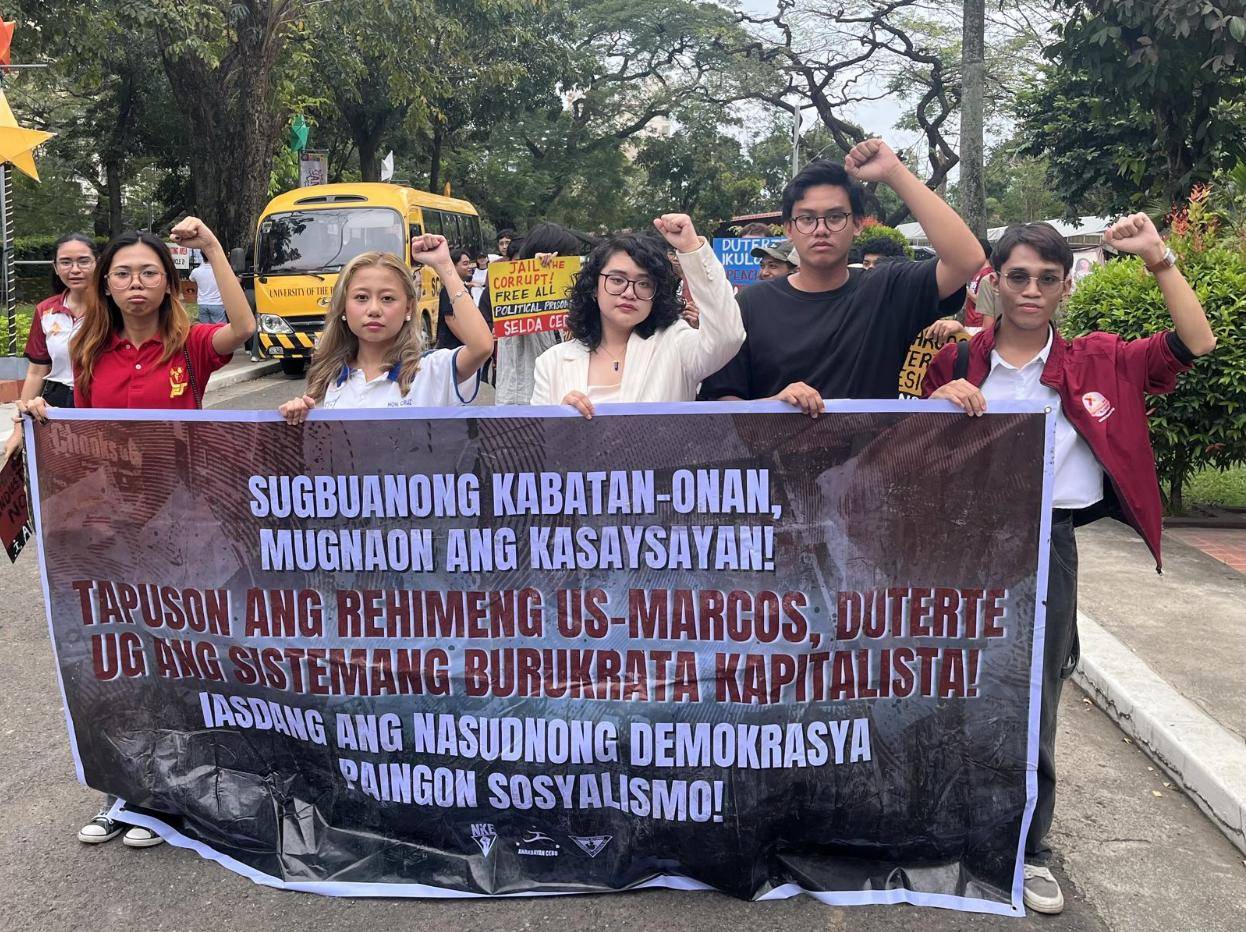
Political dynasties in our government monopolize state power. They concentrate power and prioritize self-preservation and control, not the basic social services that students should be receiving.
By Marjuice Destinado
Bulatlat.com
CEBU – Nearly four decades since the 1987 Constitution prohibited political dynasties, Cebuanos pressed Congress to finally pass the law meant to enforce it.
A public consultation held on Thursday, February 19, at the University of the Philippines Cebu, convened by the House Committee on Suffrage and Electoral Reforms, brought together students, civil society organizations, labor groups, and community members to discuss proposed anti-dynasty measures.
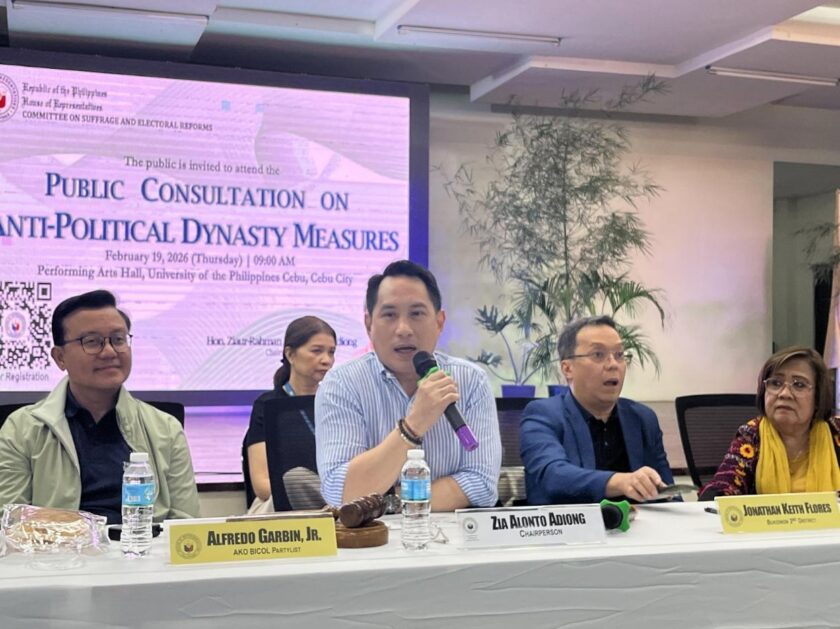
Unlike at a previous forum in Carmona, Cavite, which exposed deep divisions over the bill, Cebu participants showed wide support for a comprehensive ban on political clans.
Many argued that the law should cover both local and national positions, leaving no room for loopholes that would allow political families to retain control through technicalities.
Among the measures discussed were House Bills 209 and 4784, filed by the three-member Makabayan bloc. These bills define political dynasties as families or clans that “concentrate, consolidate, or perpetuate their political power by holding public office simultaneously or successively.”
The bills would bar relatives up to the fourth degree of consanguinity and affinity from running for office at the same time or succeeding one another.
For many Cebuanos, a blanket ban is necessary to address the systemic problems linked to dynasties: poverty, underdevelopment, patronage politics, and the monopolization of public office by a few elite families.
Cebu’s reputation as a stronghold of political dynasties made the consultation even more urgent.
Data from the Philippine Center for Investigative Journalism show that over 40 lawmakers in the Visayas are connected to powerful families.
In Cebu alone, lawmakers such as 1st District Rep. Rhea Mae Gullas, 3rd District Rep. Karen Garcia, 4th District Rep. Sun Shimura, 5th District Rep. Vincent Franco “Duke” Frasco, 6th District Rep. Inday Daphne Lagon, 7th District Rep. Patricia Calderon, and Mandaue City Rep. Emmarie Mabanag Ouano-Dizon come from entrenched clans.
Even Cebu City 1st District Rep. Rachel del Mar, who attended the consultation and is pushing for anti-dynasty reforms, comes from a political family.
Athena Romulo of the University of the Philippines (UP) Cebu Student Council criticized how political dynasties prioritize their own interests over public services, particularly education.
“Political dynasties in our government monopolize state power. They concentrate power and prioritize self-preservation and control, not the basic social services that students should be receiving,” Romulo said in Filipino.
“Clearly, education is not a priority for these dynasties. Instead of funds going to schools, teachers, and students, the budget is redirected to pork barrel projects.”
Cristina Oganiza of the Akbayan Citizens Action Party said rural areas outside Cebu City and other urban centers still face high poverty and lack access to basic services, a gap she attributes in part to entrenched political dynasties.
“The anti-political dynasty (law) is necessary given the systemic problem in which the rich remain rich and get richer, while the poor remain poor and get poorer,” Oganiza said.
Anti-political dynasty mobilization
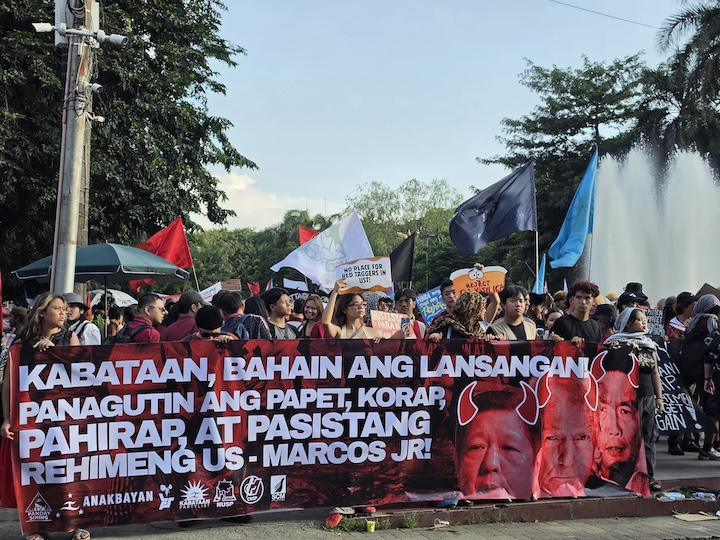
After the consultation, youth and progressive groups organized an afternoon march outside the UP Cebu campus, calling for the immediate passage of the anti-political dynasty bill.
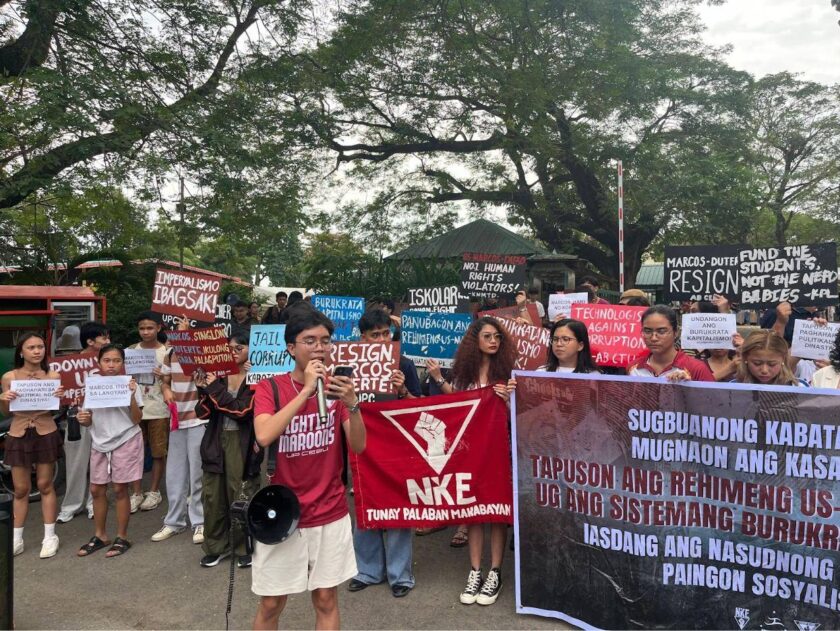
Howell Villacrusis, secretary-general of Alyansa sa mga Mamumuo sa Sugbo – Kilusang Mayo Uno, emphasized that the fight against political dynasties must go beyond legislation and reach local communities and workplaces.
“This should not stop at the House bill. We need to bring the call to communities and workplaces to broaden the fight against political dynasties,” Villacrusis said.
Joining the march, Kabataan Party-list Rep. Renee Louise Co, co-author of House Bill 209, criticized political dynasties for sustaining bureaucrat capitalism, exploiting government posts and public funds for their own gain while leaving critical community needs unmet.
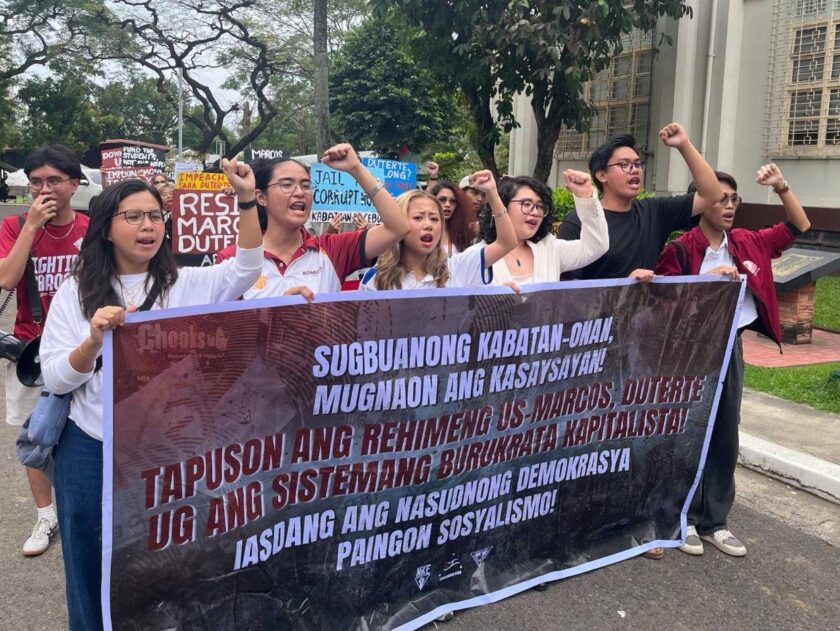
“The anti-political dynasty law should not be used as a vehicle to institutionalize dynasties. What the Constitution demands is total prohibition,” said Co. (JDS)
 Save as PDF




0 Comments