
ALBAY – The United Nations has declared a famine in Gaza, the first officially recognized in West Asia, as over half a million Palestinians face deadly hunger.
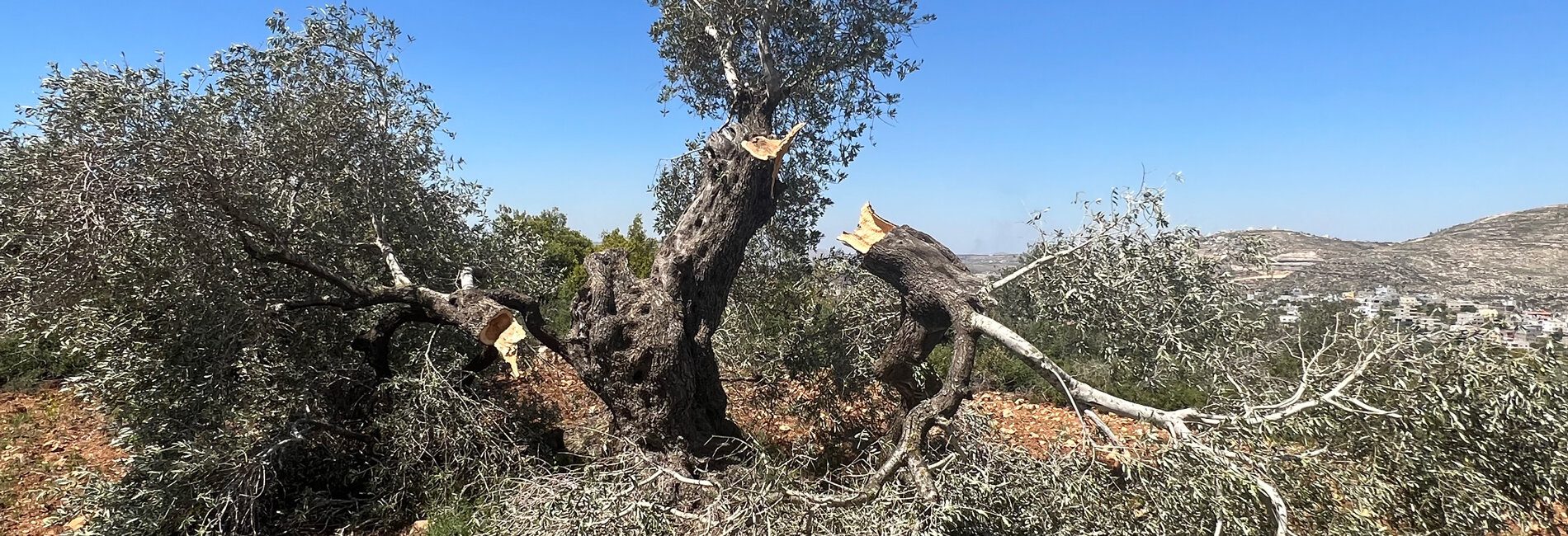
In response, Malaysia-based food sovereignty advocacy network PAN Asia Pacific (PANAP) said it condemns Israel’s destruction of Palestinian agriculture, including the mass uprooting of olive trees, a key source of food and income that has crippled Gaza’s agricultural sector.
According to a UN Food and Agriculture Organization 2025 report, 80 percent of Gaza’s cropland is damaged or inaccessible, leaving the population almost entirely dependent on humanitarian aid.
PANAP asserted that targeting food systems and cultural symbols like olive trees amounts to a war crime “that the international community should not allow to continue.”
The Famine Review Committee of the Integrated Food Security Phase Classification (IPC), which provides a standardized framework for assessing food crises, confirmed that Gaza meets the technical thresholds for famine (IPC Phase 5), citing widespread starvation, destitution, and death.
The IPC Analysis Team was formally activated in December 2023 to assess Gaza, initiating nearly two years of systematic monitoring. This culminated in the August 2025 famine declaration.
At least 271 deaths from starvation have been reported, including 112 children, though the actual toll may be higher.
By late September, famine conditions are expected to expand into Deir al-Balah and Khan Younis — designated humanitarian corridors in southern Gaza where tens of thousands of displaced Palestinians have taken refuge.
As the crisis deepens, the number of people facing famine is projected to rise to 641,000, or nearly a third of Gaza’s population.
The committee warned that unless hostilities end and humanitarian access is restored now, deaths will continue to rise in what it described as an entirely man-made atrocity.
Direct link to agricultural targeting
Although the UN-backed IPC did not directly link the famine to olive tree destruction, PANAP argues that Israel’s attacks on agriculture, especially the uprooting of olive trees, are a key driver of the crisis.
According to PANAP, 74 percent of Gaza’s cultivated olive areas have been destroyed over the past three years, amounting to an estimated 2.29 million trees lost.
In the West Bank, Israeli forces recently uprooted 3,000 olive trees near Ramallah. Since 2023, more than 52,000 olive trees have been destroyed across the territory, as Israel’s military operations intensify.
Meanwhile, legal scholars and human rights groups emphasize that the destruction of cultural identity, such as the systematic targeting of olive trees in Palestine, aligns with internationally recognized definitions of genocidal acts.
Olive trees are lifelines, said PANAP executive director Sarojeni Rengam.
“They sustain rural families, support over 100,000 households, and symbolize Palestinian heritage. Their destruction is part of a systematic pattern of denying Palestinians their right to food and land.”
PANAP also condemned the blockade of humanitarian aid, which has severely restricted the delivery of food, medicine, and essential supplies.
We demand an immediate ceasefire, full humanitarian access, and protection of agricultural resources, Rengam said, adding that global action is overdue. (JDS)
 Save as PDF





0 Comments