
Over the years, this has been confirmed time and time again. The WTO has operated to concentrate capital and natural resources further into the hands of a small super-rich minority at the expense of workers everywhere.
Just like the World Bank, the IMF, and all neoliberal institutions, the WTO is designed to enrich the wealthiest capitalists in the most developed nations. In November 2005, the World Bank estimated in a report that $287 billion could be gained from global trade liberalization. But the vast majority of the money gained would flow directly to the top. According to Tim Wise, deputy director of the Global Development and Environment Institute at Tufts University, “70 percent of the gains will go to developed countries.” (Reuters, Nov. 25, 2005)
Resisting the WTO
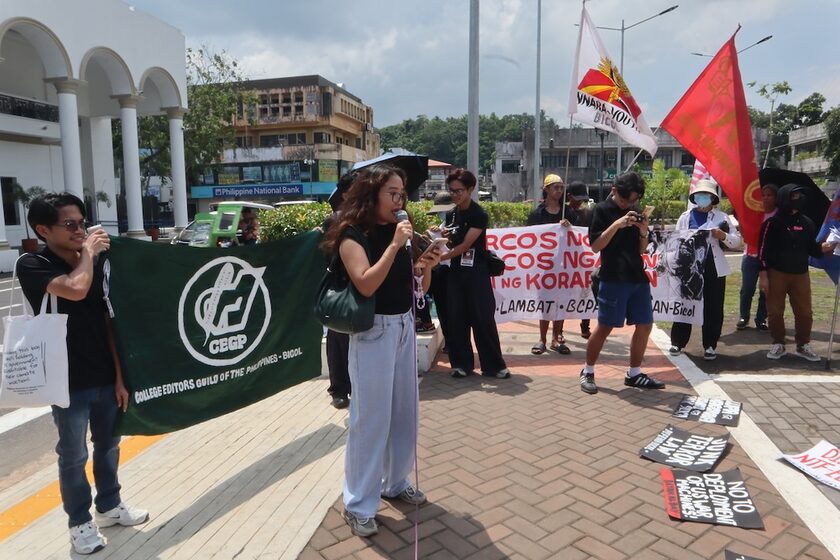
The anti-globalization movement, begun in the 1990s by progressive and socialist forces, mobilized hundreds of thousands all over the world to denounce and stop the WTO’s policies of exploitation. The unbridled arrogance of the global capitalists has been met by militant protest both in their home countries and wherever their ministers and government representatives meet.
The Doha Round of the WTO started in November 2001. The previous round of trade talks—the so-called Uruguay
Round—started in 1986, but was only completed in late 1993. A new round of talks was to start at the WTO meeting in Seattle in late 1999 but failed to launch after mass protests shut down the city and some underdeveloped countries raised objections at the meetings.
 Save as PDF

0 Comments