After Duterte’s ‘surrender’ of West PH Sea, gov’t moves to import more fish amid shortage
“Importing fish, especially the kind common in the Philippine waters, is akin to importing agricultural staples that could be grown in Philippine soil.”

ADVERTISEMENT

“Importing fish, especially the kind common in the Philippine waters, is akin to importing agricultural staples that could be grown in Philippine soil.”

The stinginess of the Philippine government’s COVID-19 response only reflects how thoroughly the state has internalized its role as prioritizing the interests of capital over the working classes. It is not spending what needs to be spent on COVID-19 containment, health measures, assistance to distressed families and small enterprises, and others.

The increasing prices of staple commodities are making access to food even more difficult, even for vendors themselves.

Filipino commuters have to wait 20 to 30 minutes to secure a ride and another one to 2.5 hours of travel time to reach their destination.

A 20-passenger jeepney usually has a full tank capacity of 60 liters, which means that the driver is spending ?1,107 ($21.83) more to fill up his tank. That is equivalent to about 29 kilos of rice - or two weeks’ worth of the regular consumption of a five- to six-member household.
Overpriced gasoline and diesel, for instance, gave oil firms an estimated P38.47 billion (US$757.13 million) in additional income, of which P4.62 billion ($90.93 million) went to the government as value-added tax (VAT).

The relatively high growth rate was seen because it is the first to be measured against the low base of when the lockdowns were at their worst last year, including a 17 percent contraction in the second quarter of 2020.

The Duterte regime may spin the narratives on the economy all they want. But all indicators show that the country is in a much worse shape today than when it took over in 2016.
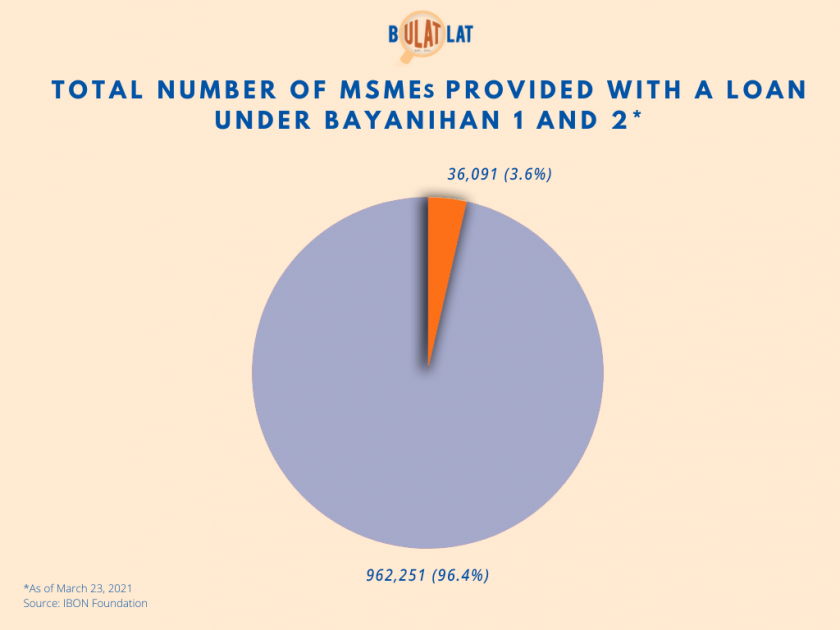
Micro, small, and medium enterprise (MSME) owners are still trying to get back on their feet after enduring the burden of the world’s longest lockdown.

What does it take to cook adobo? An ordinary worker's whole pay for a day.

For the 22nd time this year, the price of diesel will again go up this week with oil firms announcing a price hike of PHP 0.60 per liter.


With practically all House members – except Duterte’s son and a few die-hard Duterte lawmakers – co-authoring the measure, Bayanihan 3 brags the unprecedented and massive support of different lawmakers who crossed party lines. The political reasons are obvious, but on one hand, such a move in the House sans Palace nod says a lot about Duterte’s deliberate neglect of calls for cash aid.

"We won’t be fooled by the pretext that reopening our natural resources to large-scale mining would help revive the pandemic-battered economy as it would inflict serious damage than repair."
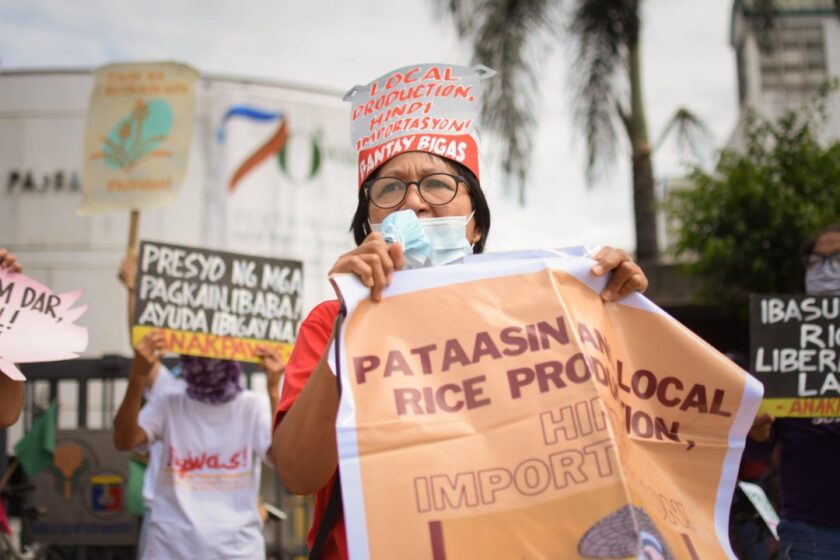
“Why would the government launch a National Food Security Summit, if it will only rely on imports instead of boosting local production? The summit should be boycotted because it is organized by those who instigated the food crisis and those who did not address the legitimate demands of rice farmers and food producers.”

Where will the Bayanihan 3 go? Take a look.
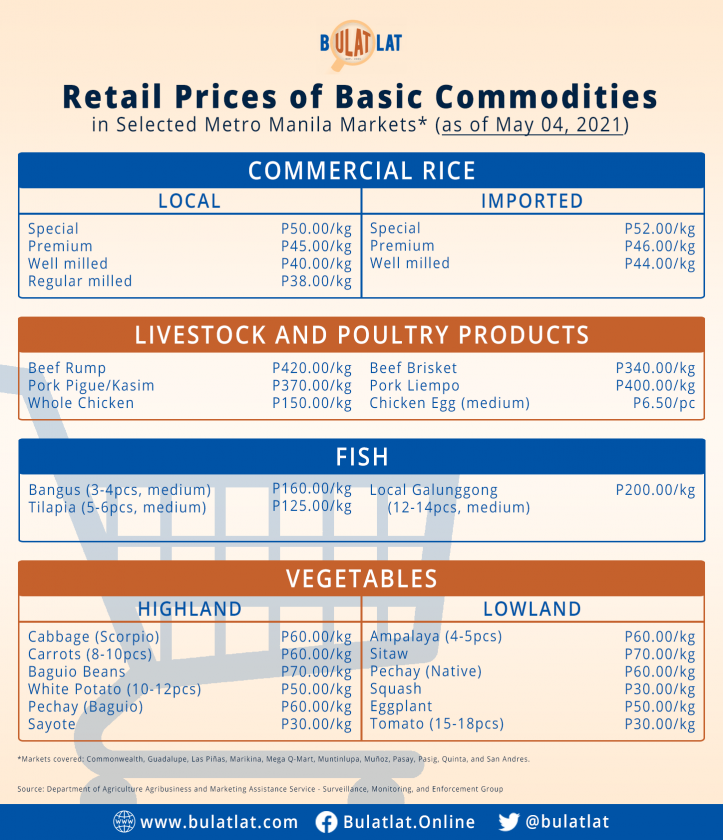
A bill seeking to nullify President Rodrigo Duterte's order to lift the cap on pork imports has earned the nod of various agricultural groups.

"These are dire times that require urgent action. The people need immediate relief," they said in a joint statement sent to the media.

More than half of Filipino households said that if they lose all of their income sources, their resources to cover daily needs could only last up to two weeks.

Macky said that a P50 haircut may provide them their lunch, but better governance through the unity of the people is the key to keep their business stay afloat.
A community of readers and supporters that help us sustain our operations through microdonations for as low as $1.
 Save as PDF